The Technology Trap: Capital, Labor, and Power in the Age of Automation
Carl Benedikt Frey
4.09 average rating, · 686 ratings
Books on AI Agents and Automation
A focused curriculum on agentic systems, automation, machine intelligence, digital labor, workflow redesign, and the economics of human-machine collaboration.
The next disruption is not another chatbot. It is software that receives goals, coordinates tools, and completes work. This Topreads collection brings together 30 books on AI agents, automation, and digital labor for automation leaders, founders, operators, product teams, and knowledge workers. Its purpose is not to produce another generic popularity chart, but to help readers prepare for agentic software and redesign work around capable digital workers.
This list explains why agentic AI is more than a new interface. It connects modern autonomous software to machine learning, cybernetics, automation, labor economics, software systems, accountability, and organizational redesign. It is for leaders and builders deciding what to delegate to machines, what to augment, and what must remain accountable to people. Technology is moving faster than most formal curricula and corporate training programs. A strong reading path must combine technical foundations, organizational consequences, economics, ethics, and historical perspective rather than teaching a single tool that may be obsolete next year.
The reading path is deliberately broad: it combines foundations, practical applications, history, evidence, critical perspectives, and books that expose the trade-offs practitioners often miss. The current ranked selection begins with The Technology Trap: Capital, Labor, and Power in the Age of Automation, The Alignment Problem: Machine Learning and Human Values, and The Human Use of Human Beings: Cybernetics and Society. Rankings should be treated as a guided starting point rather than a claim that one book can be objectively best for every reader. Use the filters, book detail pages, and related Topreads lists to build a sequence that matches your current experience and goals.
Ranked 1–24 of 30 — curated order, not the site-wide popularity formula.
Carl Benedikt Frey
4.09 average rating, · 686 ratings
Technology is moving faster than most formal curricula and corporate training programs. A strong reading path must combine technical foundations, organizational consequences, economics, ethics, and historical perspective rather than teaching a single tool that may be obsolete next year. For this particular subject, the central promise is to help readers prepare for agentic software and redesign work around capable digital workers. The page should therefore explain the problem the list solves, not merely present a wall of book cards.
This list was assembled from the Topreads catalogue using topical relevance, rating quality, rating volume, title and author deduplication, genre evidence, author diversity, and editorial usefulness. The ranking favors books that explain durable concepts, illuminate current technical or strategic shifts, and help readers distinguish capability from hype. It intentionally mixes builder perspectives with critical, historical, and governance perspectives. Before publication, an editor must review every membership for topical fit, remove misleading editions or bundles, verify the ordering, and record a real review date. Rankings may change when the catalogue, evidence, or editorial judgment improves.
Topreads should show who curated or reviewed the list, the real last-reviewed date, the catalogue/data basis, and a link to the full ranking methodology. Do not claim subject-matter expert review unless a qualified named reviewer actually completed it.
Brian Christian
4.33 average rating, · 5.3k ratings
Norbert Wiener
4.02 average rating, · 976 ratings
Kevin Kelly
4.23 average rating, · 1.7k ratings
Virginia Eubanks
4.02 average rating, · 2.9k ratings
Marc Hijink
4.34 average rating, · 1.2k ratings
Aurélien Géron
4.55 average rating, · 2.9k ratings
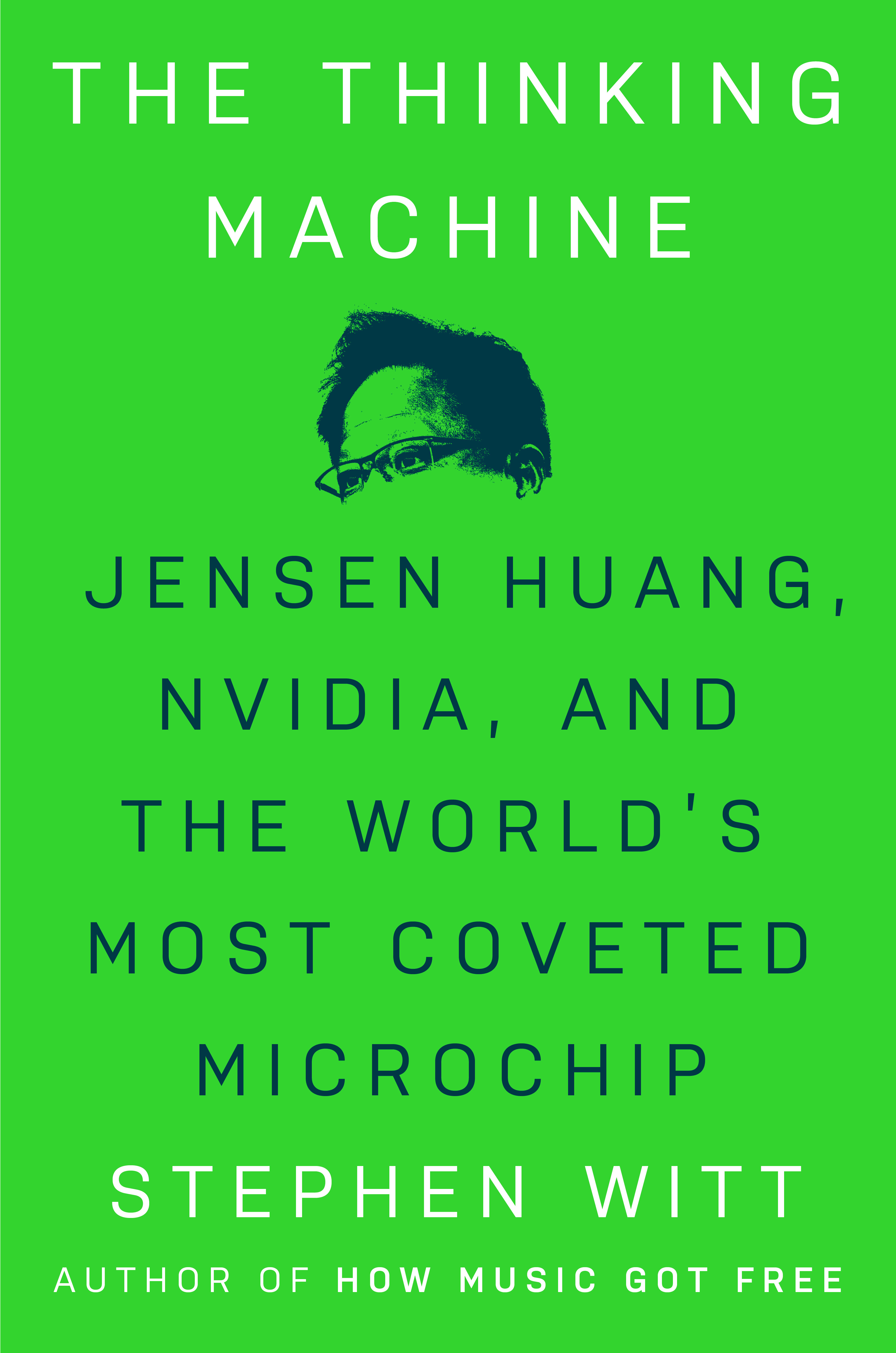
Stephen Witt
4.30 average rating, · 4.8k ratings
Sebastian Mallaby
4.45 average rating, · 1.8k ratings
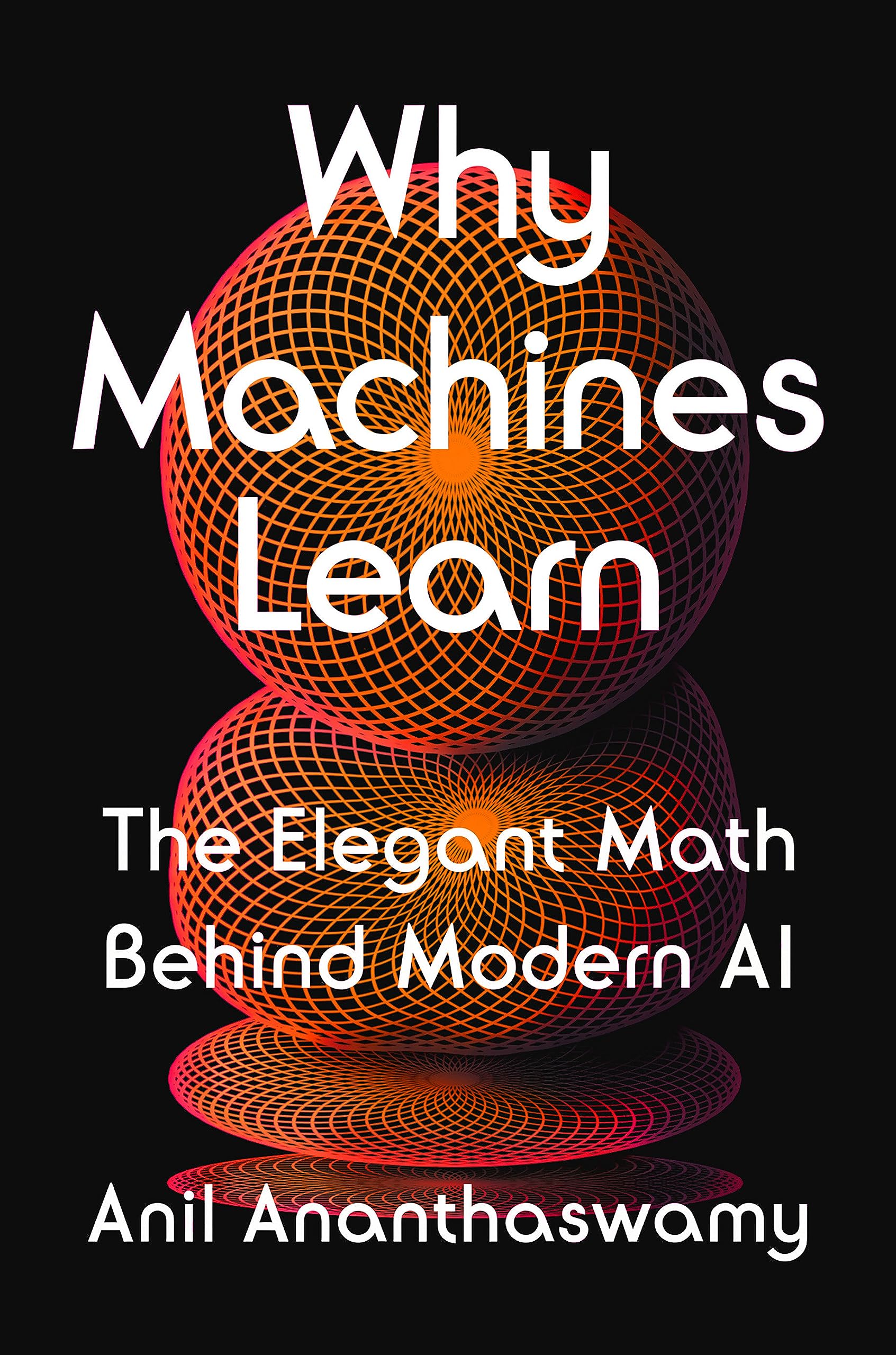
Anil Ananthaswamy
4.38 average rating, · 1.3k ratings
Andreas C. Müller
4.33 average rating, · 603 ratings
Allan E. Mallinger
4.15 average rating, · 841 ratings
Joy Buolamwini
4.10 average rating, · 1.8k ratings
Scott Hartshorn
4.03 average rating, · 551 ratings
Melanie Mitchell
4.33 average rating, · 4.2k ratings
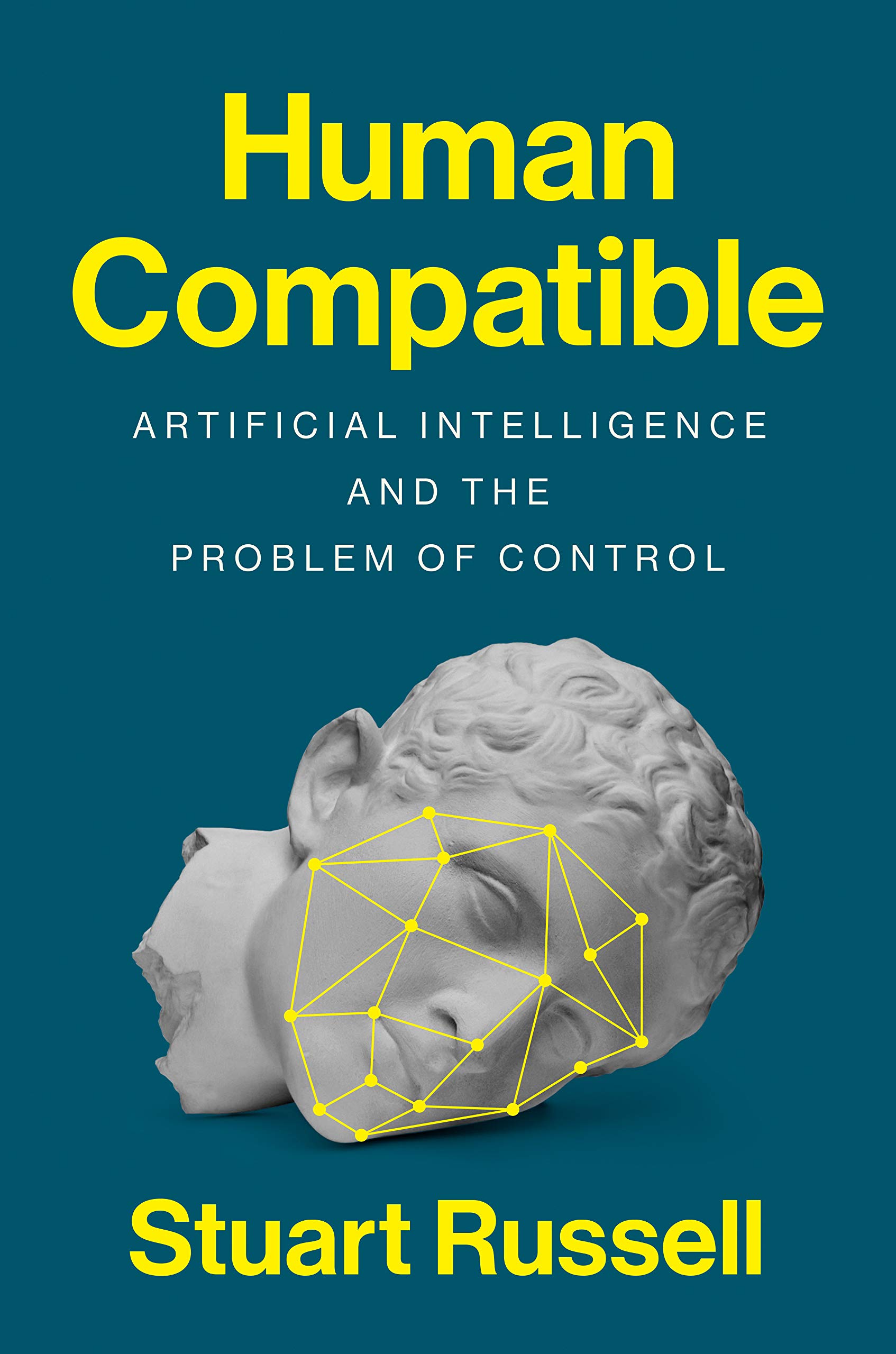
Stuart Russell
4.04 average rating, · 5.1k ratings
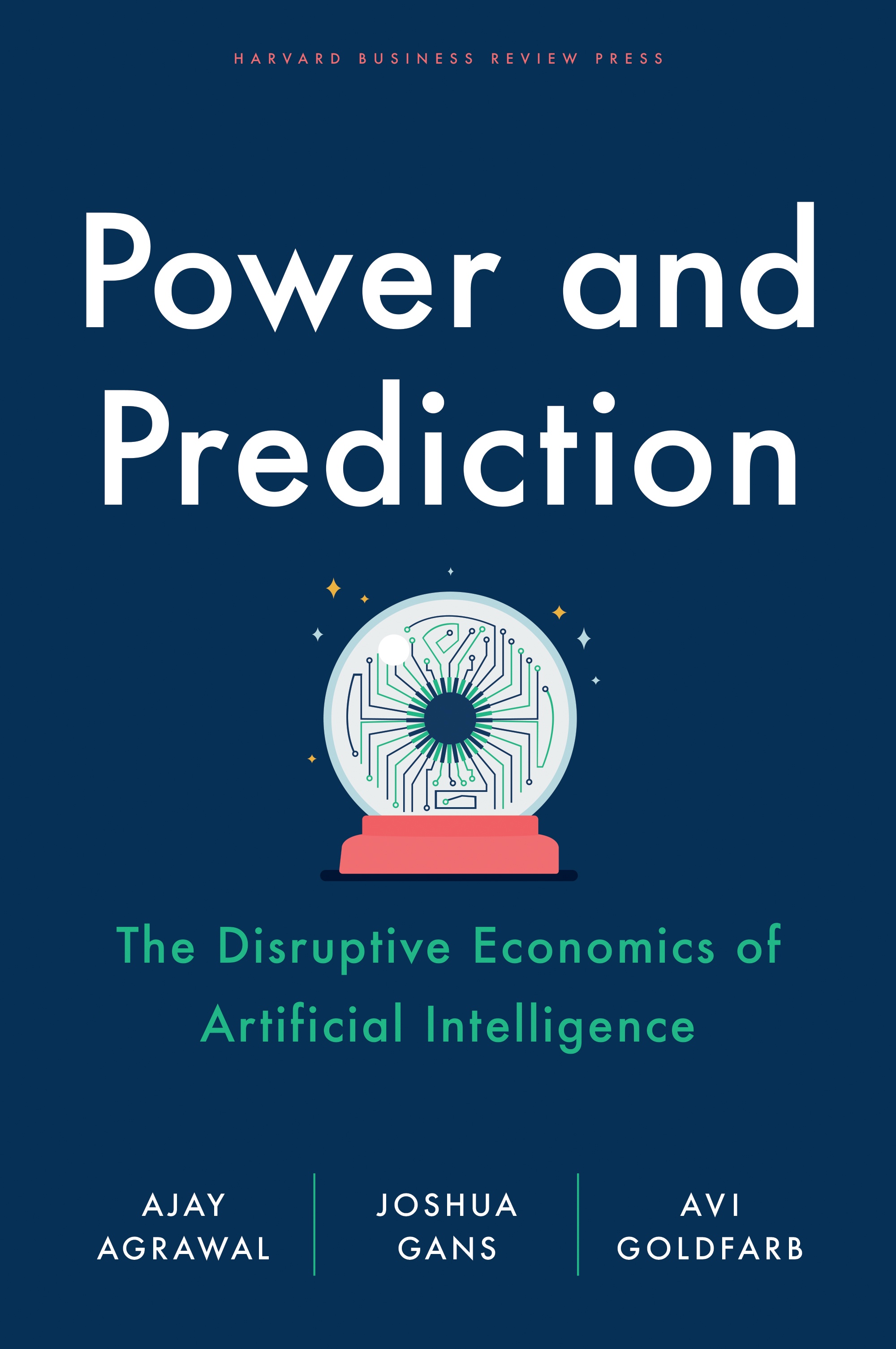
Ajay Agrawal
4.21 average rating, · 7.4k ratings
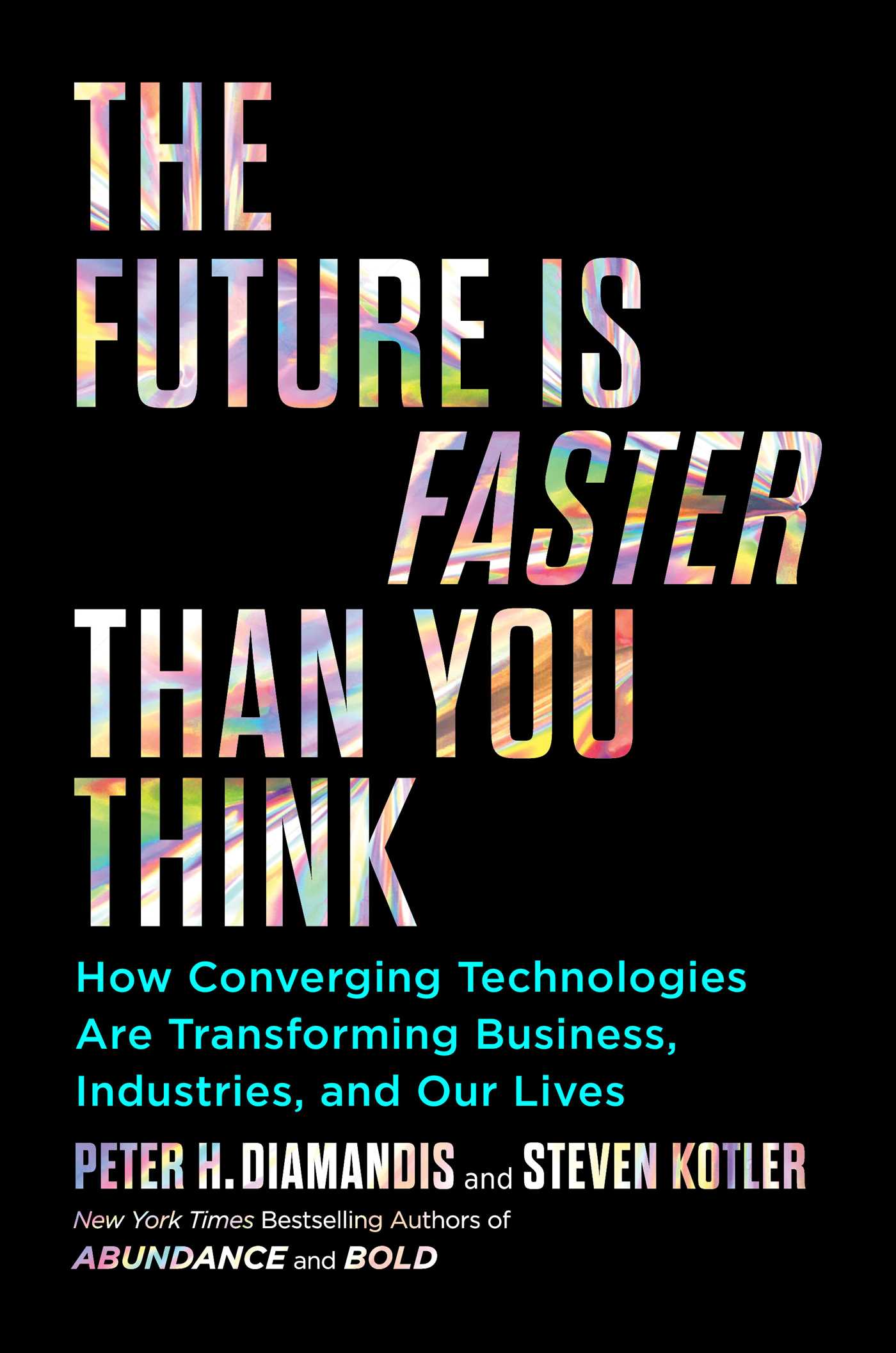
Peter H. Diamandis
4.13 average rating, · 5.4k ratings
Spotted a book that doesn't belong here? Tell us — lists are reviewed and corrected.