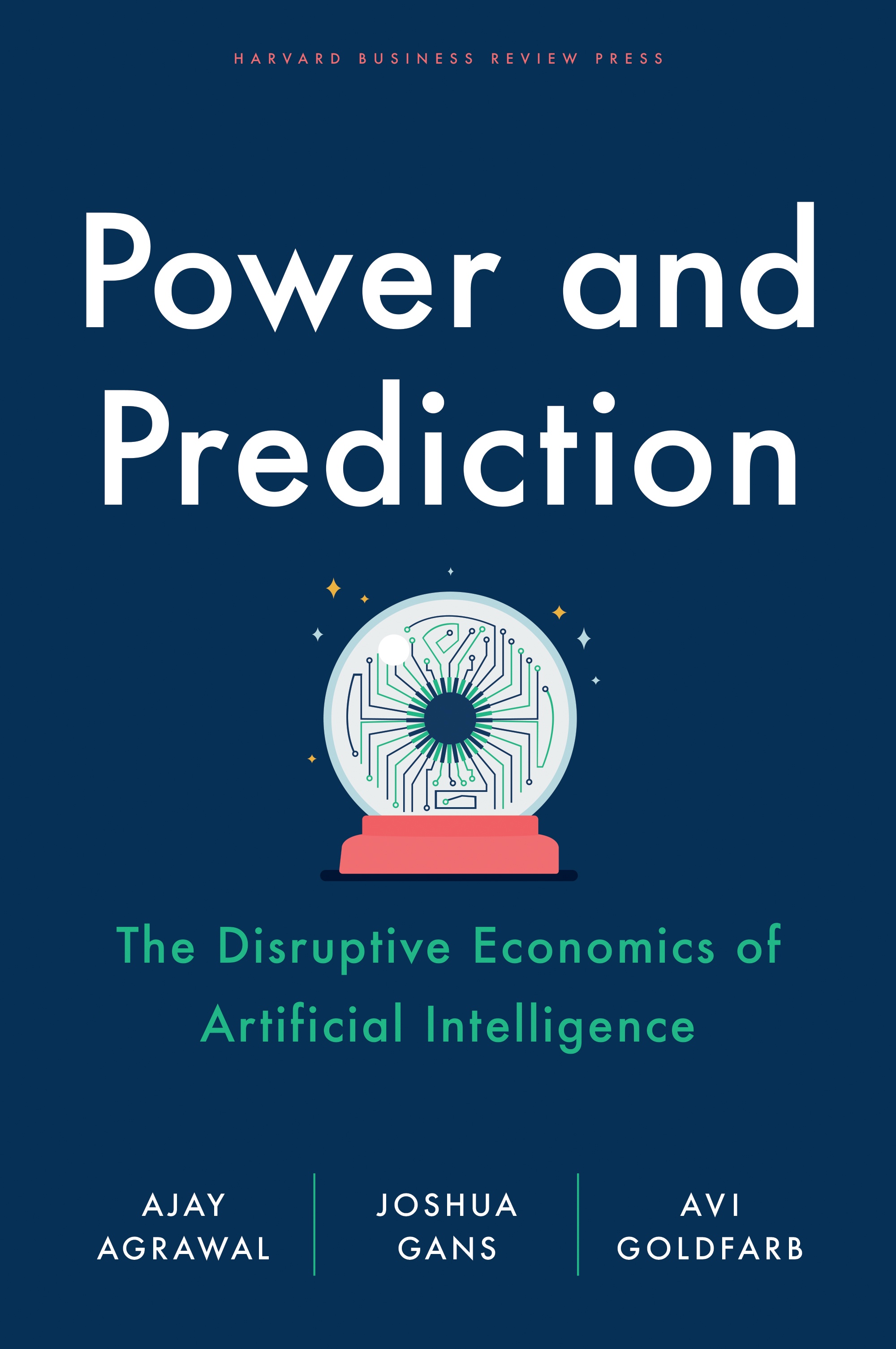
Power And Prediction: The Disruptive Economics of Artificial Intelligence
Ajay Agrawal
4.21 average rating, · 7.4k ratings
AI Auditors and Model Risk Professionals
A professional reading path through model validation, bias, explainability, controls, evidence, regulation, incident investigation, cybersecurity, and independent challenge.
Every organization is racing to deploy AI. Far fewer people know how to prove that it is safe, lawful, and doing what management claims. This Topreads collection brings together 40 books for auditors, risk officers, data scientists, lawyers, compliance leaders, and responsible-AI teams. Its purpose is to turn a strange, fast-moving subject into a structured reading path rather than another shallow list of fashionable titles.
A professional reading path through model validation, bias, explainability, controls, evidence, regulation, incident investigation, cybersecurity, and independent challenge. The list combines foundational explanations, historical parallels, operating knowledge, ethical disagreement, and selected fiction or speculative work where imagination is necessary to see consequences before they become ordinary. Each book is ranked to help readers begin with the strongest combination of relevance, credibility, and usefulness.
This page is designed as a living editorial resource. The current memberships were selected from Topreads’ verified catalogue of 163,349 books using metadata signals and related curated lists, then held as a draft for human review. Before publication, an editor must verify every title, remove weak or accidental matches, defend the top ten, and add book-specific annotations.
Ranked 1–24 of 40 — curated order, not the site-wide popularity formula.
Ajay Agrawal
4.21 average rating, · 7.4k ratings
Role-specific reading curricula for professions likely to emerge at the intersection of AI, climate, robotics, biology, space, and institutional risk. The subject matters now because developments that appear separate—technology, infrastructure, climate, biology, finance, law, and human behavior—are increasingly interacting as one system. Readers who understand only the headline technology can miss the constraints, institutions, incentives, and second-order effects that determine who benefits and who bears the risk.
This list is therefore not a prediction that every scenario will occur. It is an intellectual preparedness tool. It helps readers identify durable questions, recognize repeated historical patterns, evaluate competing claims, and build a vocabulary for decisions that may arrive sooner than conventional curricula expect.
The concept and editorial promise were designed first. Candidate books were then scored from Topreads’ verified 163,349-book catalogue using title and genre relevance, related curated-list membership, rating and readership confidence, exact-title duplicate suppression, controlled fiction representation, and author-diversity limits. Metadata scoring is a discovery aid, not a substitute for reading or expert judgment.
Karen Hao
4.02 average rating, · 13.5k ratings
Kai-Fu Lee
4.09 average rating, · 17k ratings
Max Solomon Bennett
4.47 average rating, · 5.5k ratings
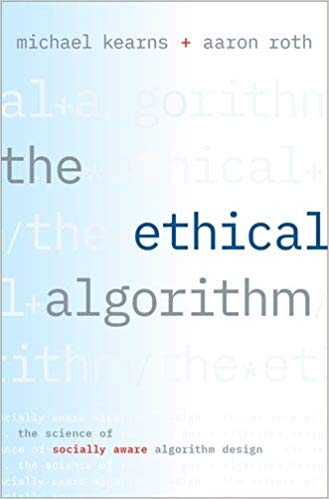
Michael Kearns
4.10 average rating, · 684 ratings
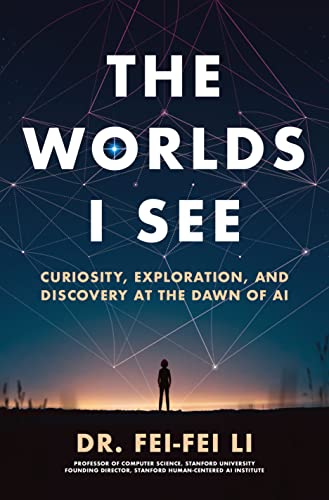
Fei-Fei Li
4.30 average rating, · 5.4k ratings
Yuval Noah Harari
4.16 average rating, · 52.3k ratings
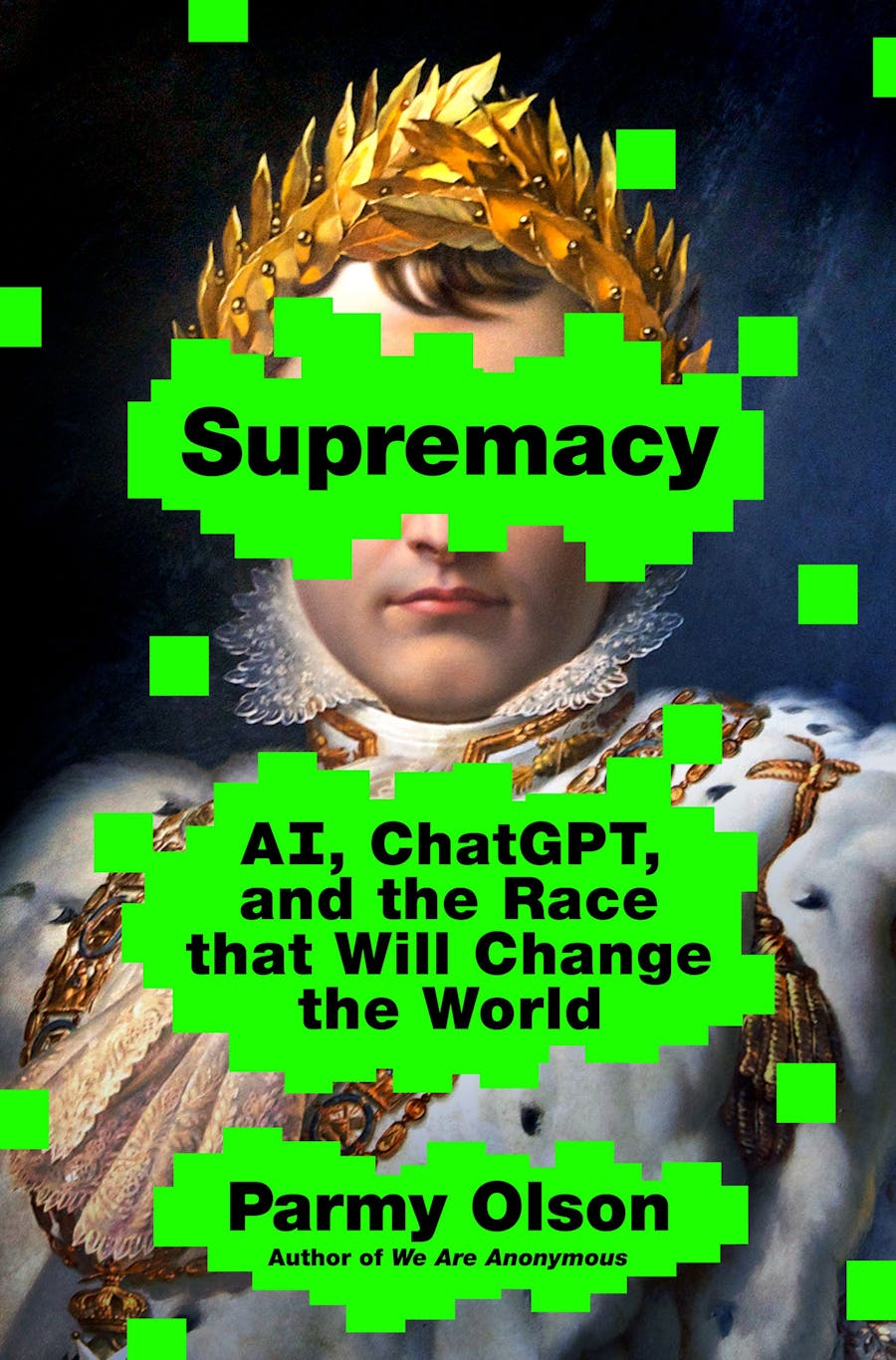
Parmy Olson
4.05 average rating, · 6k ratings
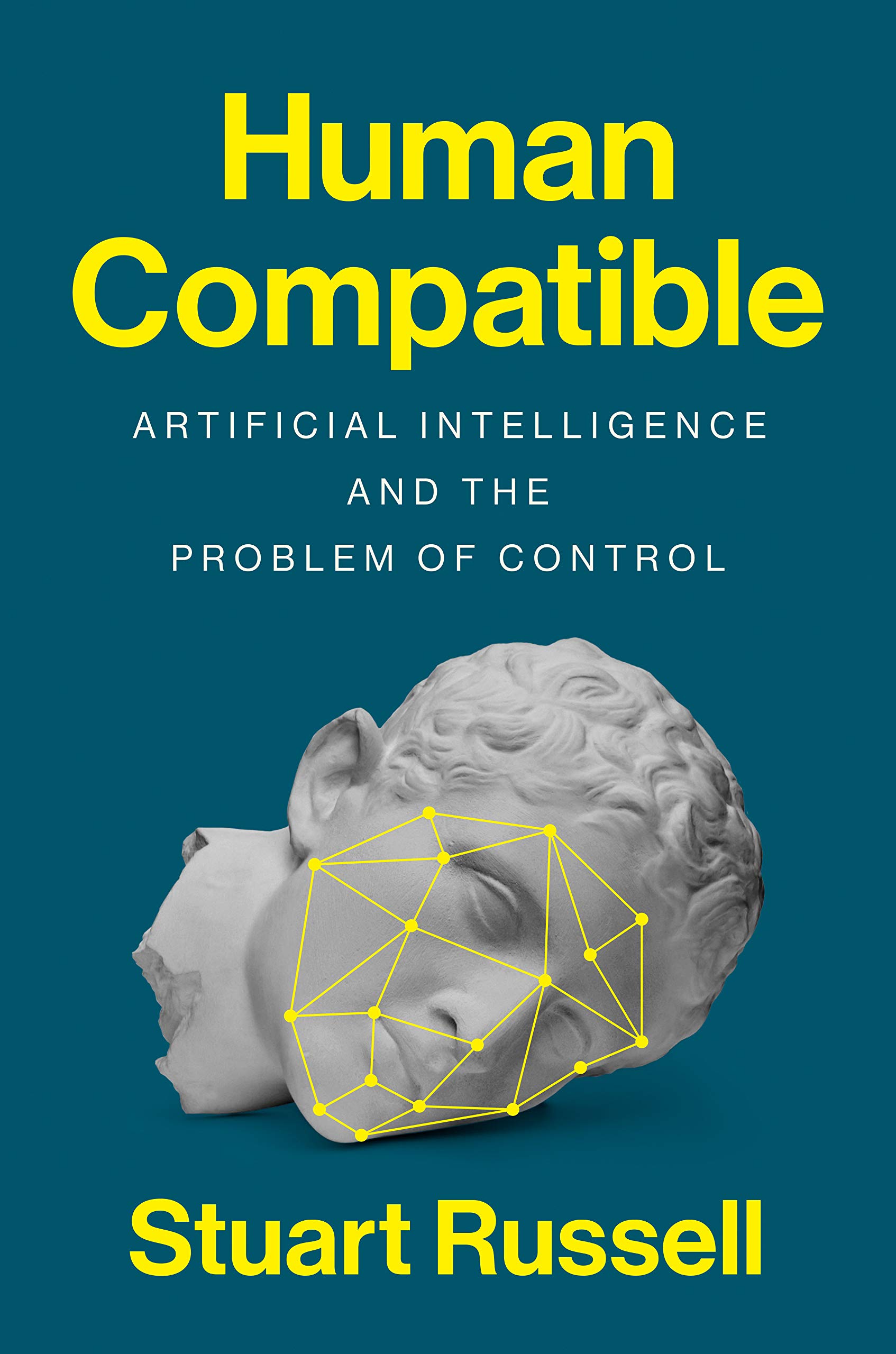
Stuart Russell
4.04 average rating, · 5.1k ratings
Melanie Mitchell
4.33 average rating, · 4.2k ratings
Martin Ford
4.07 average rating, · 672 ratings
Brian Christian
4.33 average rating, · 5.3k ratings
Cade Metz
4.26 average rating, · 3.3k ratings
Anil Ananthaswamy
4.38 average rating, · 1.3k ratings
Cole Nussbaumer Knaflic
4.38 average rating, · 8.5k ratings
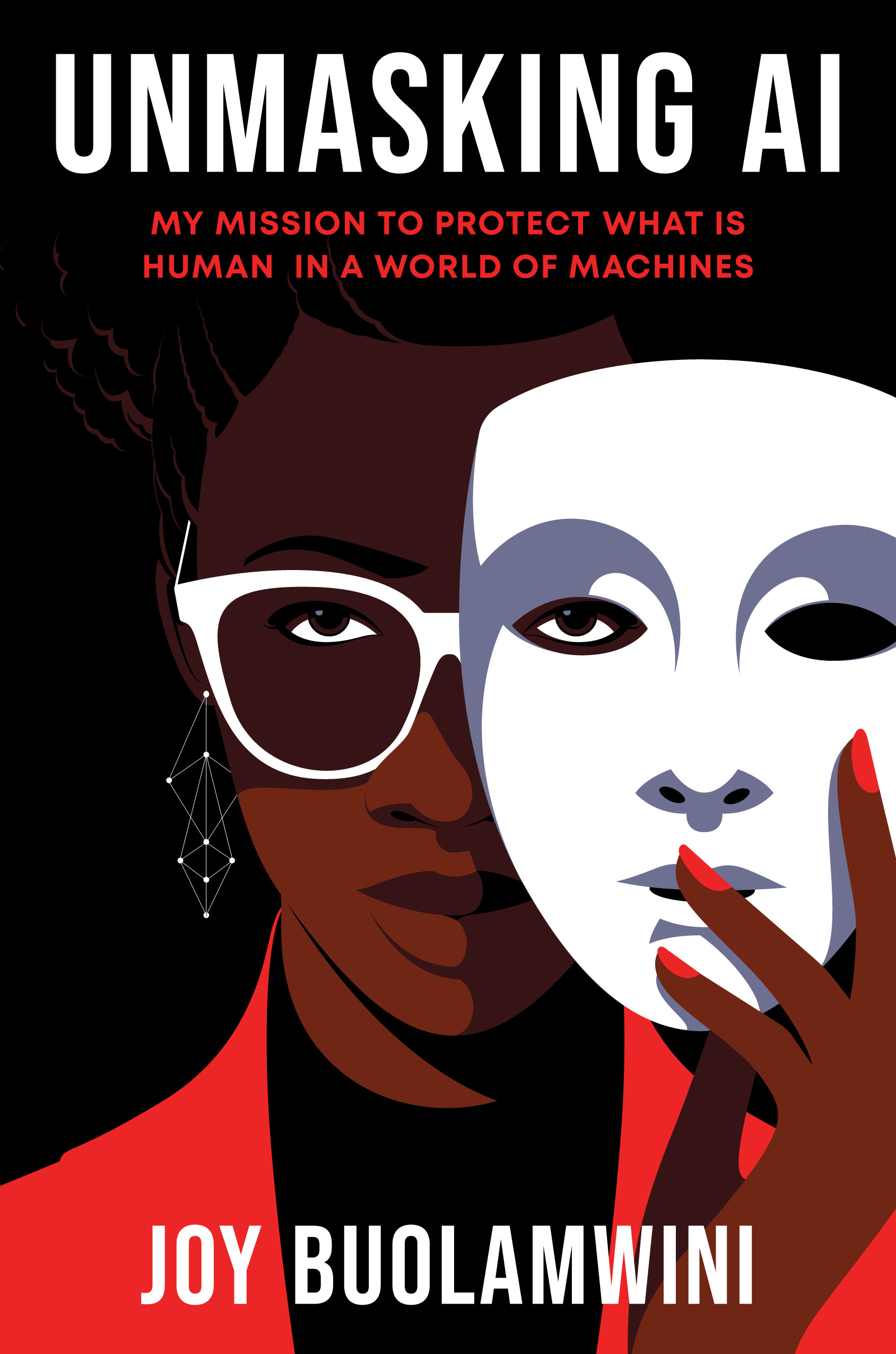
Joy Buolamwini
4.10 average rating, · 1.8k ratings
Chip Huyen
4.38 average rating, · 1.2k ratings
Carl Benedikt Frey
4.09 average rating, · 686 ratings
This page begins as a machine-assisted draft. Topreads does not claim that every selected book has been read by the editor or that the initial ranking is definitive. Before the page becomes indexable, a human must verify topical relevance, remove accidental editions or shallow matches, review the top ten, check controversial claims, and replace generic featured-book notes with book-specific editorial reasoning.
Spotted a book that doesn't belong here? Tell us — lists are reviewed and corrected.