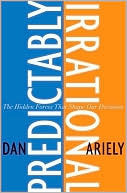
Predictably Irrational: The Hidden Forces That Shape Our Decisions
Dan Ariely
4.12 average rating, · 132.6k ratings
Decision Making Books
Books on judgment, uncertainty, probability, cognitive bias, forecasting, risk, incentives, and making consequential choices with incomplete information.
Intelligence does not protect you from bad decisions. Sometimes it only helps you rationalize them more convincingly. This Topreads collection brings together 75 books on decision-making under pressure and uncertainty for leaders, investors, operators, clinicians, and professionals whose choices carry consequences. Its purpose is not to produce another generic popularity chart, but to help readers improve judgment when information is incomplete, incentives conflict, and time is short.
This list is built for moments when the data are ambiguous, the stakes are high, and delay is itself a decision. It blends behavioral science, probability, risk, military and medical judgment, forecasting, and practical decision processes. Business reading becomes valuable only when it improves judgment and execution. The strongest lists combine timeless principles, empirical research, operating detail, biographies, failures, and competing schools of thought rather than repeating motivational slogans.
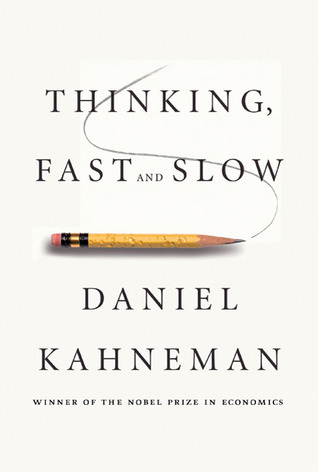
The reading path is deliberately broad: it combines foundations, practical applications, history, evidence, critical perspectives, and books that expose the trade-offs practitioners often miss. The current ranked selection begins with Thinking, Fast and Slow, Predictably Irrational: The Hidden Forces That Shape Our Decisions, and Mistakes Were Made (But Not by Me): Why We Justify Foolish Beliefs, Bad Decisions, and Hurtful Acts. Rankings should be treated as a guided starting point rather than a claim that one book can be objectively best for every reader. Use the filters, book detail pages, and related Topreads lists to build a sequence that matches your current experience and goals.
Ranked 1–24 of 75 — curated order, not the site-wide popularity formula.
Business reading becomes valuable only when it improves judgment and execution. The strongest lists combine timeless principles, empirical research, operating detail, biographies, failures, and competing schools of thought rather than repeating motivational slogans. For this particular subject, the central promise is to help readers improve judgment when information is incomplete, incentives conflict, and time is short. The page should therefore explain the problem the list solves, not merely present a wall of book cards.
This list was assembled from the Topreads catalogue using topical relevance, rating quality, rating volume, title and author deduplication, genre evidence, author diversity, and editorial usefulness. The ranking prioritizes books with enduring professional usefulness, clear frameworks, credible evidence or revealing cases, and enough specificity to change how a reader acts. It avoids overloading the top ranks with multiple books that make the same argument. Before publication, an editor must review every membership for topical fit, remove misleading editions or bundles, verify the ordering, and record a real review date. Rankings may change when the catalogue, evidence, or editorial judgment improves.
Topreads should show who curated or reviewed the list, the real last-reviewed date, the catalogue/data basis, and a link to the full ranking methodology. Do not claim subject-matter expert review unless a qualified named reviewer actually completed it.
Dan Ariely
4.12 average rating, · 132.6k ratings
Carol Tavris
4.04 average rating, · 29.5k ratings
John S. Hammond
4.01 average rating, · 6.5k ratings
Merle Bombardieri
4.17 average rating, · 1.9k ratings
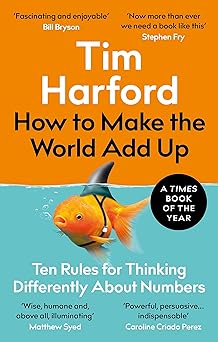
Tim Harford
4.11 average rating, · 8.5k ratings
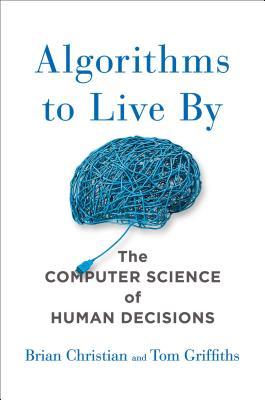
Brian Christian
4.12 average rating, · 35.8k ratings
Daniel Crosby
4.03 average rating, · 796 ratings
Pema Chödrön
4.24 average rating, · 8.2k ratings
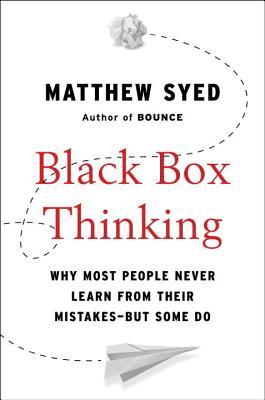
Matthew Syed
4.28 average rating, · 14.9k ratings
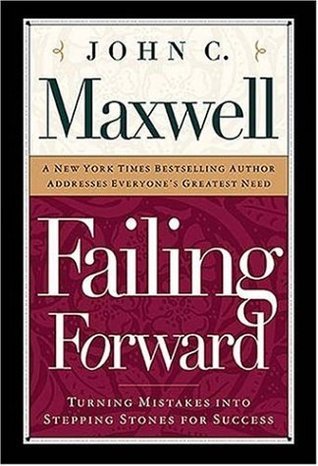
John C. Maxwell
4.18 average rating, · 12.5k ratings
Spotted a book that doesn't belong here? Tell us — lists are reviewed and corrected.