Books That Will Matter in the Future
An intentionally durable canon of books on human nature, power, science, systems, economics, history, ethics, leadership, and the technologies shaping the middle of this century.
Most reading lists expire with the news cycle. These books address forces likely to outlast it. This Topreads collection brings together 100 books on enduring books for understanding the world through 2050 for ambitious generalists, leaders, students, and lifelong readers. Its purpose is not to produce another generic popularity chart, but to help readers build a durable intellectual foundation that outlasts trends and short news cycles.
This is not a prediction of which books will remain fashionable. It is a selection of works addressing persistent forces: incentives, institutions, psychology, war, technology, capital, ecology, mortality, learning, and meaning. The list favors books with substantial readership, strong ratings, and ideas that travel across industries. Leaders cannot make sound decisions while treating politics, economics, technology, demography, and conflict as separate subjects. These lists are built to improve structural understanding and reduce dependence on short-term commentary.
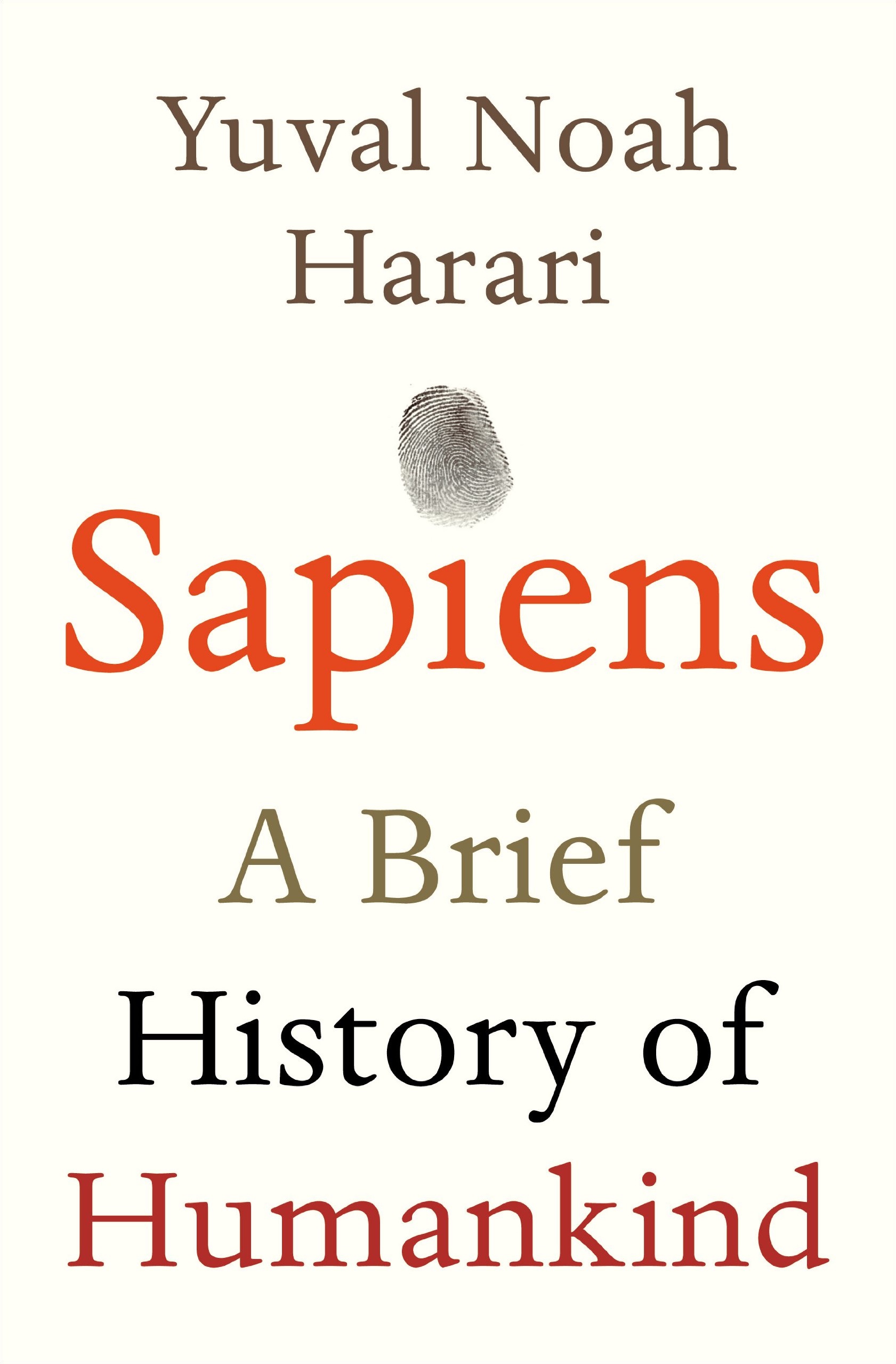
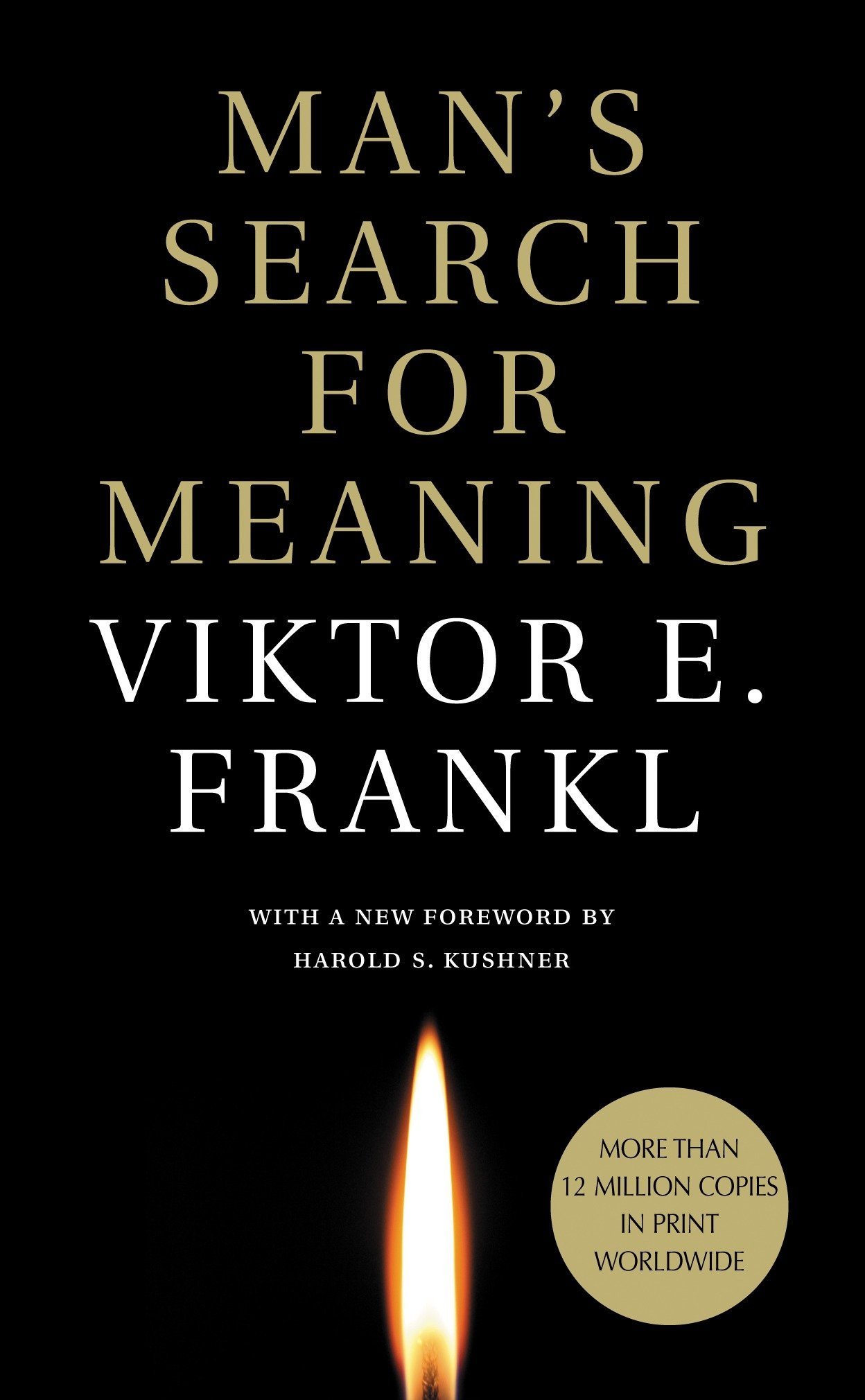
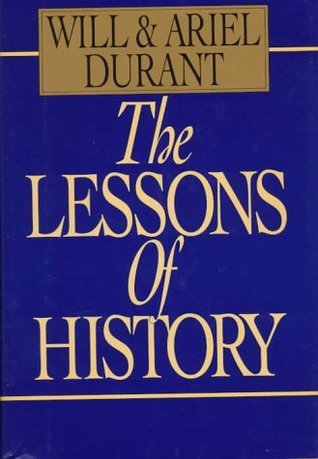
The reading path is deliberately broad: it combines foundations, practical applications, history, evidence, critical perspectives, and books that expose the trade-offs practitioners often miss. The current ranked selection begins with Sapiens: A Brief History of Humankind, Man's Search for Meaning, and The Lessons of History. Rankings should be treated as a guided starting point rather than a claim that one book can be objectively best for every reader. Use the filters, book detail pages, and related Topreads lists to build a sequence that matches your current experience and goals.
Ranked 1–24 of 100 — curated order, not the site-wide popularity formula.
Leaders cannot make sound decisions while treating politics, economics, technology, demography, and conflict as separate subjects. These lists are built to improve structural understanding and reduce dependence on short-term commentary. For this particular subject, the central promise is to help readers build a durable intellectual foundation that outlasts trends and short news cycles. The page should therefore explain the problem the list solves, not merely present a wall of book cards.
This list was assembled from the Topreads catalogue using topical relevance, rating quality, rating volume, title and author deduplication, genre evidence, author diversity, and editorial usefulness. The ranking deliberately includes competing interpretations, primary histories, institutional analysis, economics, strategy, and critical perspectives. No single ideological school is treated as sufficient. Before publication, an editor must review every membership for topical fit, remove misleading editions or bundles, verify the ordering, and record a real review date. Rankings may change when the catalogue, evidence, or editorial judgment improves.
Topreads should show who curated or reviewed the list, the real last-reviewed date, the catalogue/data basis, and a link to the full ranking methodology. Do not claim subject-matter expert review unless a qualified named reviewer actually completed it.
Spotted a book that doesn't belong here? — lists are reviewed and corrected.
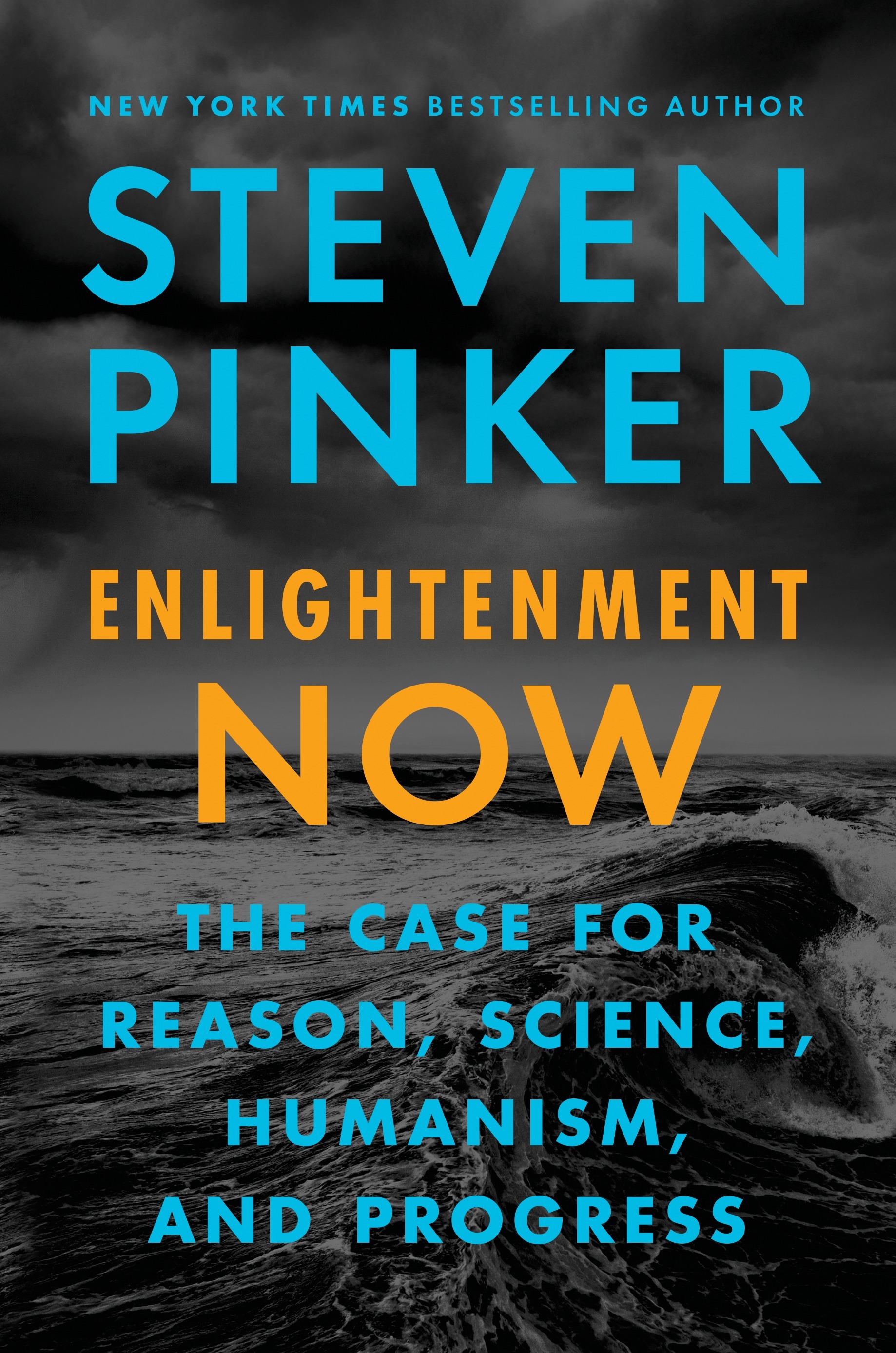
Steven Pinker
4.19 average rating, · 32.9k ratings
Chris Miller
4.38 average rating, · 45.2k ratings
Michael Pollan
4.27 average rating, · 86.5k ratings
Carl Sagan
4.29 average rating, · 82.3k ratings
Tim Marshall
4.18 average rating, · 26.6k ratings
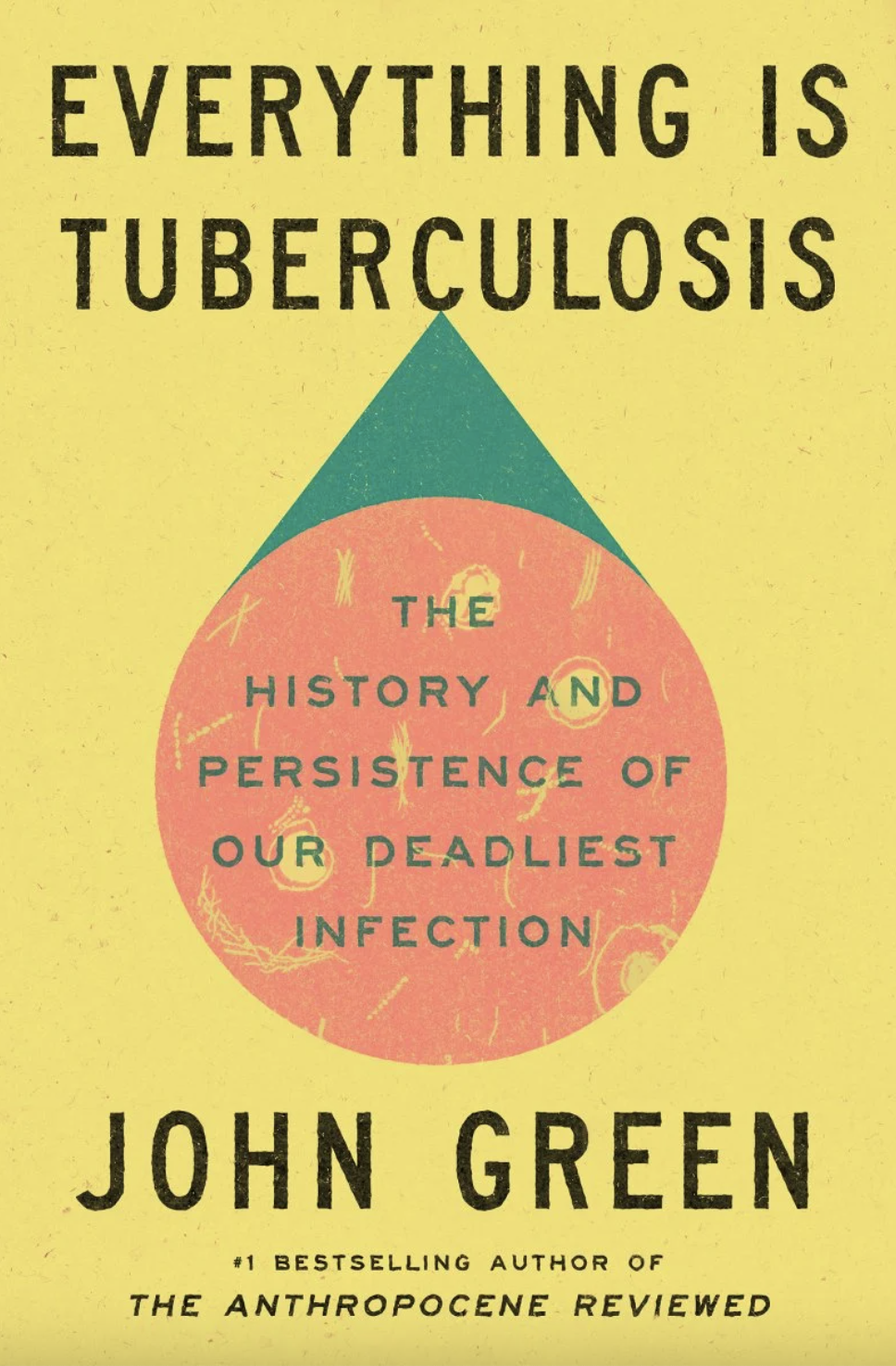
John Green
4.32 average rating, · 272.4k ratings
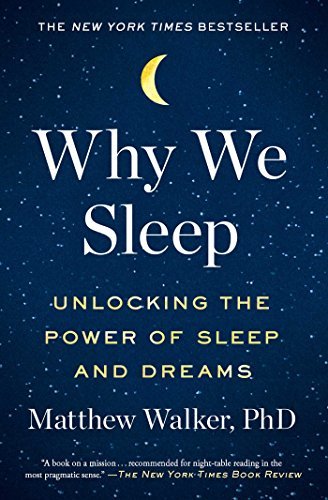
Matthew Walker
4.37 average rating, · 235.2k ratings
Patrick Radden Keefe
4.53 average rating, · 145.9k ratings
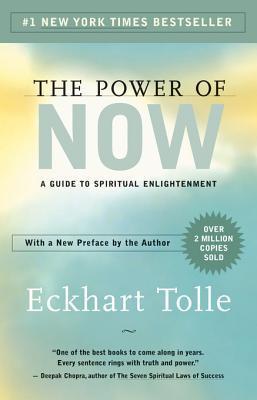
Eckhart Tolle
4.15 average rating, · 467.7k ratings
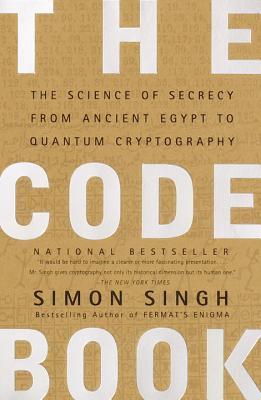
Simon Singh
4.30 average rating, · 29.4k ratings