Books for Civil Engineers
40 Books for Civil Engineers and Infrastructure Leaders
Books on bridges, roads, water, construction, structural failure, megaprojects, cities, public works, engineering ethics, and maintaining the systems civilization depends on.
Civilization rests on systems most people notice only when they break. This Topreads collection brings together 40 books on civil engineering and infrastructure leadership for civil engineers, project leaders, public-works professionals, and infrastructure investors. Its purpose is not to produce another generic popularity chart, but to help readers understand structures, systems, projects, risk, cities, and the institutions behind infrastructure.
Infrastructure is visible when it fails and politically invisible when it works. This list blends engineering, project delivery, construction, risk, disasters, urban systems, maintenance, public finance, and the history of ambitious structures. The best professionals read beyond technical manuals. They understand the history, ethics, systems, economics, communication demands, and human consequences of their field. A profession-specific library can shorten years of trial and error when it combines core craft with adjacent disciplines.
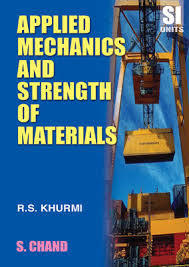
The reading path is deliberately broad: it combines foundations, practical applications, history, evidence, critical perspectives, and books that expose the trade-offs practitioners often miss. The current ranked selection begins with Strength of Materials, The Great Bridge: The Epic Story of the Building of the Brooklyn Bridge, and Applied Mechanics and Strength of Materials. Rankings should be treated as a guided starting point rather than a claim that one book can be objectively best for every reader. Use the filters, book detail pages, and related Topreads lists to build a sequence that matches your current experience and goals.
The ranked list
Ranked 1–24 of 40 — curated order, not the site-wide popularity formula.
- Rank 1
- Rank 2
The Great Bridge: The Epic Story of the Building of the Brooklyn Bridge
David McCullough
4.26 average rating, · 19.1k ratings
- Rank 3
- Rank 4
City Limits: Infrastructure, Inequality, and the Future of America's Highways
Megan Kimble
4.13 average rating, · 820 ratings
- Rank 5
- Rank 6
Stuff Matters: Exploring the Marvelous Materials That Shape Our Man-Made World
Mark Miodownik
4.11 average rating, · 21.5k ratings
- Rank 7
- Rank 8
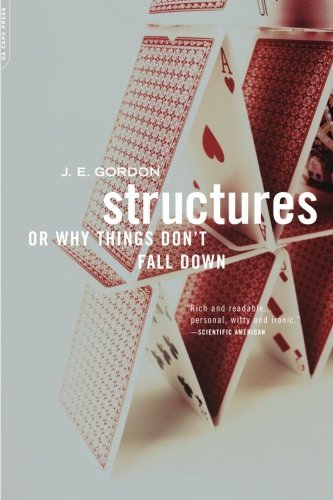
The New Science of Strong Materials: Or Why You Don't Fall through the Floor
J.E. Gordon
4.13 average rating, · 564 ratings
- Rank 9
The Bridge: The Building of the Verrazano-Narrows Bridge
Gay Talese
4.07 average rating, · 565 ratings
- Rank 10
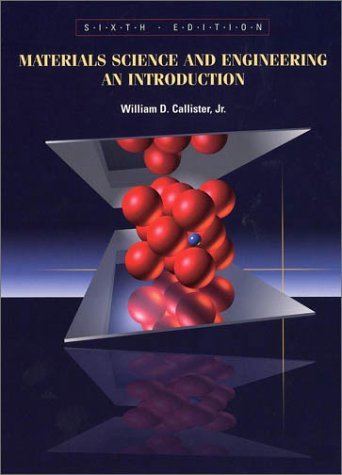
Materials Science and Engineering: An Introduction
William D. Callister Jr.
4.08 average rating, · 867 ratings
- Rank 11
- Rank 12
- Rank 13
- Rank 14
- Rank 15
- Rank 16
The 99% Invisible City: A Field Guide to the Hidden World of Everyday Design
Roman Mars
4.03 average rating, · 7.8k ratings
- Rank 17
- Rank 18
Metropolis: A History of the City, Humankind's Greatest Invention
Ben Wilson
4.13 average rating, · 2.8k ratings
- Rank 19
Happy City: Transforming Our Lives Through Urban Design
Charles Montgomery
4.35 average rating, · 9.7k ratings
- Rank 20
Walkable City: How Downtown Can Save America, One Step at a Time
Jeff Speck
4.31 average rating, · 9k ratings
- Rank 21
- Rank 22
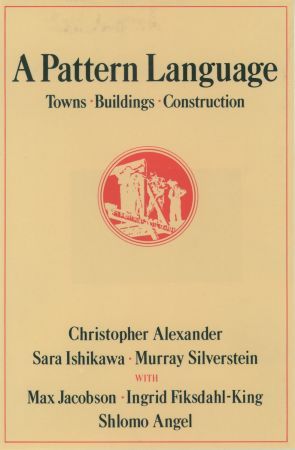
A Pattern Language: Towns, Buildings, Construction
Christopher W. Alexander
4.42 average rating, · 5.5k ratings
- Rank 23
The City in History: Its Origins, Its Transformations, and Its Prospects
Lewis Mumford
4.10 average rating, · 1.5k ratings
- Rank 24













Why this list matters
The best professionals read beyond technical manuals. They understand the history, ethics, systems, economics, communication demands, and human consequences of their field. A profession-specific library can shorten years of trial and error when it combines core craft with adjacent disciplines. For this particular subject, the central promise is to help readers understand structures, systems, projects, risk, cities, and the institutions behind infrastructure. The page should therefore explain the problem the list solves, not merely present a wall of book cards.
Who this list is for
- civil engineers
- project leaders
- public-works professionals
- infrastructure investors
How to use this list
- Begin with one of the first five books if you need a broad entry point into civil engineering and infrastructure leadership.
- Choose a second book that takes a contrasting method, ideology, historical period, or professional perspective.
- Open each book page to compare ratings, readership, genres, and available sources before deciding what to read.
- Save the books that fit your goal, then read in a deliberate sequence rather than treating the list as a completion challenge.
- Return after gaining practical experience; advanced books often become more useful when attached to a real problem.
How books were selected
This list was assembled from the Topreads catalogue using topical relevance, rating quality, rating volume, title and author deduplication, genre evidence, author diversity, and editorial usefulness. The ranking blends foundational craft, modern practice, leadership, case studies, ethics, communication, and adjacent knowledge. It is designed as a professional curriculum rather than a popularity chart. Before publication, an editor must review every membership for topical fit, remove misleading editions or bundles, verify the ordering, and record a real review date. Rankings may change when the catalogue, evidence, or editorial judgment improves.
Topreads should show who curated or reviewed the list, the real last-reviewed date, the catalogue/data basis, and a link to the full ranking methodology. Do not claim subject-matter expert review unless a qualified named reviewer actually completed it.
Spotted a book that doesn't belong here? Tell us — lists are reviewed and corrected.
Frequently asked questions
- Which books should I read first from this list?
- A sensible starting point is the highest-ranked book that matches your level and goal. The current opening selections include Strength of Materials, The Great Bridge: The Epic Story of the Building of the Brooklyn Bridge, and Applied Mechanics and Strength of Materials. Beginners should prefer the broadest introduction; experienced readers should choose the book closest to a live decision or project. The ranking is a guide, not a universal prescription.
- Who is this civil engineering and infrastructure leadership reading list for?
- It is designed for civil engineers, project leaders, public-works professionals, and infrastructure investors. It is also useful to adjacent professionals who need enough context to collaborate, invest, regulate, teach, or make strategic decisions in this field.
- How were these 40 books selected and ranked?
- Topreads combines catalogue metadata, topical relevance, reader-rating evidence, breadth, author diversity, duplicate suppression, and editorial judgment. Popularity alone is not enough, and a high rating from a tiny audience is not automatically treated as stronger evidence than a well-supported rating. Every page must be reviewed before it becomes indexable.
- Do I need to read all 40 books?
- No. The list is a map, not an assignment. Most readers should select three to twelve books based on their current objective, experience, available time, and preferred level of depth. The larger catalogue exists so that different readers can build different paths.
- How often is this Topreads list updated?
- The page should display a real 'last editorial review' date. Update the ranking when books are added, removed, re-ranked, or materially re-evaluated—not merely to manufacture freshness. Search metadata and sitemap last-modified dates must change only when the visible content changes meaningfully.
- How should I use this list to learn civil engineering and infrastructure leadership efficiently?
- Start with a broad overview, add one practical or technical book, then read a critical or historical counterweight. Take notes around decisions and questions rather than summaries alone. New entrants should begin with foundations; experienced practitioners should use the list to locate blind spots in leadership, systems, ethics, and neighboring disciplines.