Design for Robots AI Agents and Nonhuman Users
40 Books on Designing for Nonhuman Users: Robots, Agents, Animals, and Ecosystems
An ingenious reading path beyond human-centered design, exploring machine-readable environments, animal perception, ecological design, autonomous agents, accessibility, and products used by multiple forms of intelligence.
Human-centered design transformed products. The next design frontier may begin when the user is not human at all. This Topreads collection brings together 40 books for designers, product leaders, architects, roboticists, ecologists, and speculative thinkers. Its purpose is to turn a strange, fast-moving subject into a structured reading path rather than another shallow list of fashionable titles.
An ingenious reading path beyond human-centered design, exploring machine-readable environments, animal perception, ecological design, autonomous agents, accessibility, and products used by multiple forms of intelligence. The list combines foundational explanations, historical parallels, operating knowledge, ethical disagreement, and selected fiction or speculative work where imagination is necessary to see consequences before they become ordinary. Each book is ranked to help readers begin with the strongest combination of relevance, credibility, and usefulness.
This page is designed as a living editorial resource. The current memberships were selected from Topreads’ verified catalogue of 163,349 books using metadata signals and related curated lists, then held as a draft for human review. Before publication, an editor must verify every title, remove weak or accidental matches, defend the top ten, and add book-specific annotations.
The ranked list
Ranked 1–24 of 40 — curated order, not the site-wide popularity formula.
- Rank 1
- Rank 2
Simple and Usable Web, Mobile, and Interaction Design
Giles Colborne
4.04 average rating, · 773 ratings
- Rank 3
- Rank 4
Laws of UX: Using Psychology to Design Better Products & Services
Jon Yablonski
4.33 average rating, · 1.7k ratings
- Rank 5
The Elements of User Experience: User-Centered Design for the Web
Jesse James Garrett
4.01 average rating, · 4.1k ratings
- Rank 6
Seductive Interaction Design: Creating Playful, Fun, and Effective User Experiences
Stephen P. Anderson
4.07 average rating, · 1.4k ratings
- Rank 7
UX for Lean Startups: Faster, Smarter User Experience Research and Design
Laura Klein
4.09 average rating, · 2.1k ratings
- Rank 8
Design for the Real World: Human Ecology and Social Change
Victor Papanek
4.23 average rating, · 1.8k ratings
- Rank 9
Speculative Everything: Design, Fiction, and Social Dreaming
Anthony Dunne
4.12 average rating, · 1k ratings
- Rank 10
- Rank 11
- Rank 12
- Rank 13
- Rank 14
Ruined by Design: How Designers Destroyed the World, and What We Can Do to Fix It
Mike Monteiro
4.11 average rating, · 2.2k ratings
- Rank 15
Happy City: Transforming Our Lives Through Urban Design
Charles Montgomery
4.35 average rating, · 9.7k ratings
- Rank 16
Designing with the Mind in Mind: Simple Guide to Understanding User Interface Design Rules
Jeff Johnson
4.10 average rating, · 1.6k ratings
- Rank 17
- Rank 18
- Rank 19
This Is Service Design Doing: Applying Service Design Thinking in the Real World
Marc Stickdorn
4.35 average rating, · 573 ratings
- Rank 20
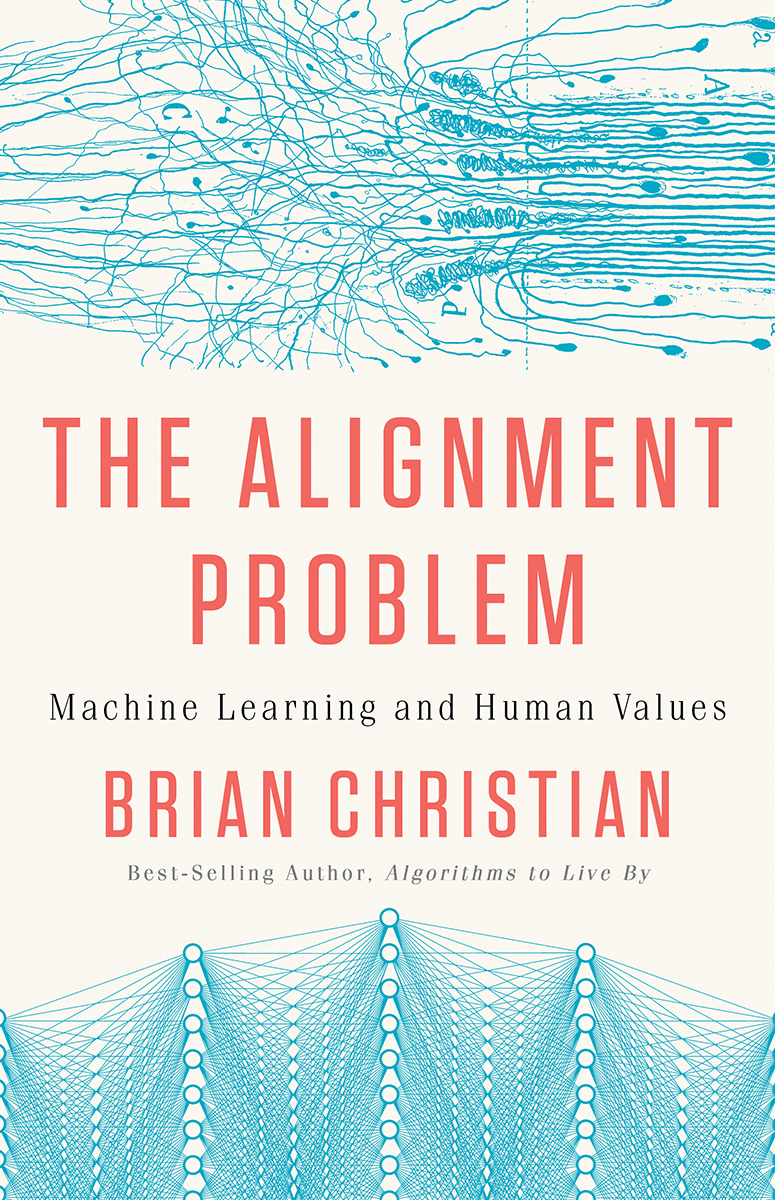
The Alignment Problem: Machine Learning and Human Values
Brian Christian
4.33 average rating, · 5.3k ratings
- Rank 21
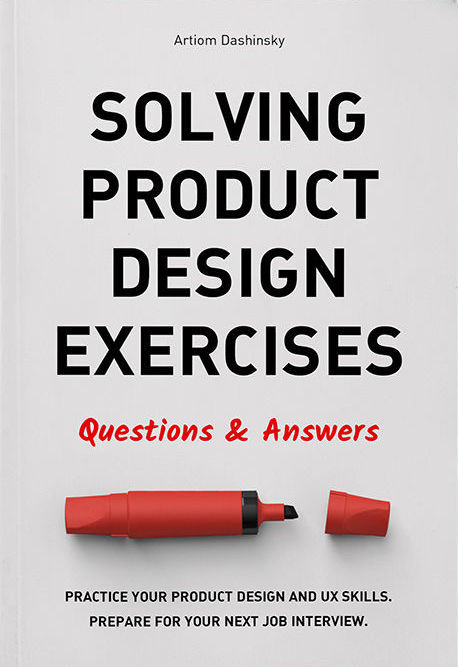
Solving Product Design Exercises: Questions & Answers
Artiom Dashinsky
4.31 average rating, · 674 ratings
- Rank 22
Designing for the Digital Age: How to Create Human-Centered Products and Services
Kim Goodwin
4.15 average rating, · 688 ratings
- Rank 23
Release It!: Design and Deploy Production-Ready Software
Michael T. Nygard
4.25 average rating, · 3.3k ratings
- Rank 24









Why this list matters
High-value intersections where two or more industries collide and create professions, risks, and markets most reading lists still overlook. The subject matters now because developments that appear separate—technology, infrastructure, climate, biology, finance, law, and human behavior—are increasingly interacting as one system. Readers who understand only the headline technology can miss the constraints, institutions, incentives, and second-order effects that determine who benefits and who bears the risk.
This list is therefore not a prediction that every scenario will occur. It is an intellectual preparedness tool. It helps readers identify durable questions, recognize repeated historical patterns, evaluate competing claims, and build a vocabulary for decisions that may arrive sooner than conventional curricula expect.
Who this list is for
- Designers, product leaders, architects, roboticists, ecologists, and speculative thinkers.
- Decision-makers who need to understand design for robots AI agents and nonhuman users before it becomes an urgent operational or policy problem.
- Professionals moving into an adjacent field who need a broad map before choosing specialist material.
- Curious readers who prefer serious cross-disciplinary preparation to trend-chasing and prediction theatre.
How to use this list
- Read the first ten books as the core path before sampling specialist branches.
- Keep a decision journal: record which assumptions each book changes, strengthens, or leaves unresolved.
- Pair technical or commercial works with at least one ethical, historical, or human-centered counterweight.
- Follow unfamiliar concepts through the related Topreads lists and individual book pages rather than trying to finish the entire list linearly.
- Revisit the list every six to twelve months; a future-facing curriculum should change when evidence, institutions, and technologies change.
How books were selected
The concept and editorial promise were designed first. Candidate books were then scored from Topreads’ verified 163,349-book catalogue using title and genre relevance, related curated-list membership, rating and readership confidence, exact-title duplicate suppression, controlled fiction representation, and author-diversity limits. Metadata scoring is a discovery aid, not a substitute for reading or expert judgment.
This page begins as a machine-assisted draft. Topreads does not claim that every selected book has been read by the editor or that the initial ranking is definitive. Before the page becomes indexable, a human must verify topical relevance, remove accidental editions or shallow matches, review the top ten, check controversial claims, and replace generic featured-book notes with book-specific editorial reasoning.
Spotted a book that doesn't belong here? Tell us — lists are reviewed and corrected.
Frequently asked questions
- Why should I read about design for robots AI agents and nonhuman users now?
- Because Human-centered design transformed products. The next design frontier may begin when the user is not human at all. The goal is not to predict a single future, but to build enough context to recognize important changes, constraints, and decisions early.
- How were these 40 books selected?
- Topreads used its verified 163,349-book catalogue, topic and genre signals, existing curated lists, rating confidence, duplicate suppression, author diversity, and a controlled amount of speculative fiction. The resulting memberships are machine-assisted editorial drafts and must be reviewed by a human before indexing.
- Is this design for robots AI agents and nonhuman users reading list suitable for beginners?
- Yes. The ranking is intended to place broad, accessible, and high-leverage books earlier, followed by more specialized, critical, historical, and speculative works. Readers can begin with the first five to ten books rather than committing to the full list.
- Do I need to read every book in order?
- No. Treat the first ten as a core curriculum, then choose branches that match your role or curiosity. The global rank provides orientation, not a claim that one sequence fits every reader.
- Why does the list include books from different disciplines?
- Because design for robots AI agents and nonhuman users is not a self-contained subject. Its real consequences depend on technology, economics, infrastructure, politics, culture, ethics, and human behavior. Cross-disciplinary reading reduces blind spots.
- How often will this list be updated?
- Topreads should review it at least annually and after major changes in the field. Updates should be substantive: broken or weak matches removed, new books considered, ranking changes explained, and the visible review date changed only when meaningful editorial work occurred.