Writing, Media & Intellectual Craft
A nonfiction curriculum on reporting, interviewing, sourcing, verification, investigations, narrative nonfiction, ethics, and holding power accountable.
30 Books on Investigative Journalism, Reporting, and Finding the Truth is a deliberately bounded reading path for journalists, editors, researchers, documentary makers, analysts, and professionals who investigate claims. Rather than inventing a futuristic niche and stretching unrelated books to fill it, this collection begins with a field that already has a substantial literature and then selects thirty titles that genuinely belong inside that scope.
The ranking balances direct topical fit, enduring influence, practical usefulness, reader evidence, and variety of perspective. The opening books are intended to establish the field; the middle of the list adds methods, applications, cases, and counterarguments; the final portion expands the reader’s range without abandoning the subject.
Use the list as a map rather than a compulsory syllabus. Start with one broad foundation, one book closest to a live problem, and one critical or historical counterweight. The page should remain a draft until an editor has inspected every membership, defended the top-ten order, and replaced any title whose relationship to investigative journalism is merely incidental.
Ranked 1–24 of 30 — curated order, not the site-wide popularity formula.
The page narrows the earlier journalism profession list toward the methods of reporting and investigation. Memoirs are included only when they reveal the craft. The value of this page is not the number thirty by itself. Its value comes from keeping the promise narrow enough that a reader can trust the relationship between the headline and the books underneath it. For LinkedIn readers, that makes the collection useful as a professional curriculum, a team discussion resource, and a credible starting point for deeper study.
The list was constrained to an established literature on investigative journalism. Candidates were resolved against the verified Topreads dataset, then reviewed for direct title and domain fit, author and genre signals, readership evidence, breadth, and duplicate suppression. Thirty was chosen as a quality ceiling for this release: large enough to offer paths, small enough to inspect. Final publication requires a human editor to verify every membership and the top-ten order.
Topreads must identify the actual curator or reviewer, display a genuine review date, explain the catalogue basis, and provide a way to report weak or mismatched selections. Do not claim expert review, personal reading, or field consensus unless those statements are literally true.
Spotted a book that doesn't belong here? — lists are reviewed and corrected.
Adam Nagourney
4.18 average rating, · 844 ratings
Zahra Fatima Hankir
4.49 average rating, · 4.6k ratings
Muhammad Najem
4.51 average rating, · 877 ratings
Scott Pelley
4.45 average rating, · 1.1k ratings
Shane Bauer
4.23 average rating, · 13.1k ratings
Jerry Mitchell
4.43 average rating, · 2.2k ratings
Stanley Cloud
4.34 average rating, · 808 ratings
Lesley M.M. Blume
4.09 average rating, · 3k ratings
Joanna Connors
4.12 average rating, · 2.5k ratings
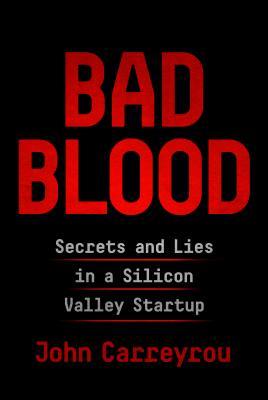
John Carreyrou
4.40 average rating, · 286.8k ratings
David Corn
4.32 average rating, · 1.6k ratings
József Debreczeni
4.52 average rating, · 5.8k ratings
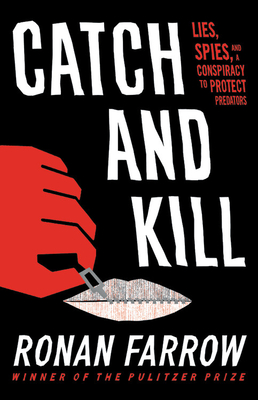
Ronan Farrow
4.40 average rating, · 104.1k ratings
Chris Hedges
4.58 average rating, · 536 ratings
Berton Roueché
4.17 average rating, · 1.4k ratings
Aleksandr Solzhenitsyn
4.54 average rating, · 2.7k ratings
Aleksandr Solzhenitsyn
4.49 average rating, · 3.6k ratings