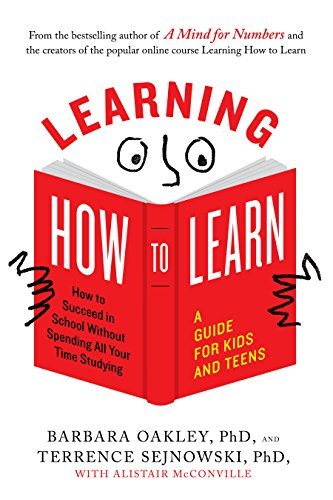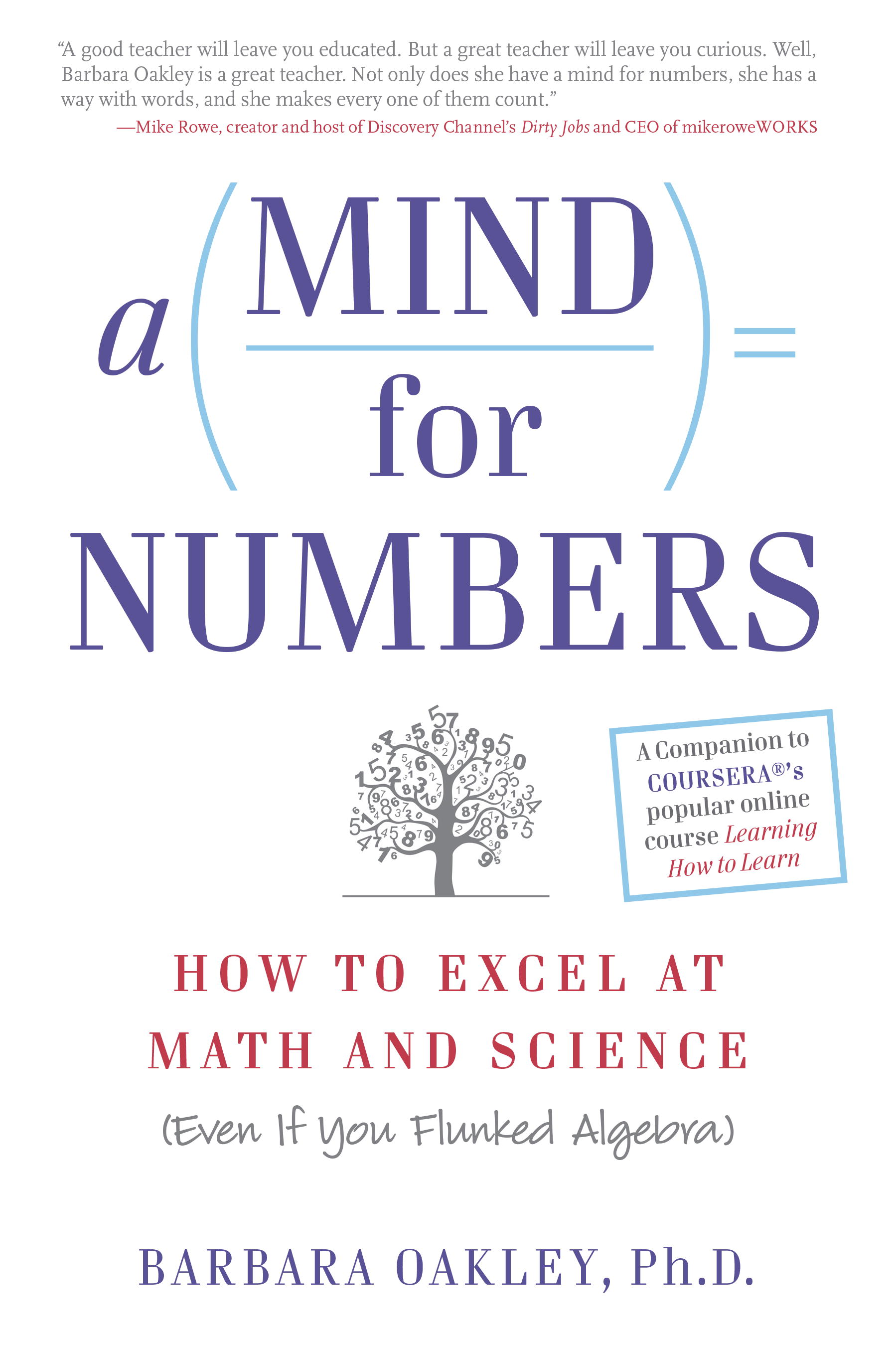
A Mind for Numbers: How to Excel at Math and Science
Barbara Oakley
4.19 average rating, · 22.4k ratings
Books on Learning Faster
Books on memory, deliberate practice, expertise, curiosity, teaching, metacognition, skill acquisition, and building a lifelong learning system.
The safest skill is the ability to repeatedly learn skills that did not exist when you started. This Topreads collection brings together 60 books on accelerated learning and professional adaptability for students, professionals, founders, creators, and lifelong learners. Its purpose is not to produce another generic popularity chart, but to help readers learn difficult things more effectively and stay valuable as knowledge changes.
The durable advantage in a changing economy is not knowing one tool; it is becoming unusually good at acquiring new capabilities. This list combines cognitive science, deliberate practice, education research, reading, memory, creativity, and the habits of expert learners. As tools become more capable, the scarce advantages shift toward judgment, attention, learning speed, communication, creativity, trust, and self-command. These capabilities are deeply trainable, but only through practice informed by strong mental models.
The reading path is deliberately broad: it combines foundations, practical applications, history, evidence, critical perspectives, and books that expose the trade-offs practitioners often miss. The current ranked selection begins with Make It Stick: The Science of Successful Learning, A Mind for Numbers: How to Excel at Math and Science, and Peak: Secrets from the New Science of Expertise. Rankings should be treated as a guided starting point rather than a claim that one book can be objectively best for every reader. Use the filters, book detail pages, and related Topreads lists to build a sequence that matches your current experience and goals.
Ranked 1–24 of 60 — curated order, not the site-wide popularity formula.
As tools become more capable, the scarce advantages shift toward judgment, attention, learning speed, communication, creativity, trust, and self-command. These capabilities are deeply trainable, but only through practice informed by strong mental models. For this particular subject, the central promise is to help readers learn difficult things more effectively and stay valuable as knowledge changes. The page should therefore explain the problem the list solves, not merely present a wall of book cards.
This list was assembled from the Topreads catalogue using topical relevance, rating quality, rating volume, title and author deduplication, genre evidence, author diversity, and editorial usefulness. The ranking combines practical manuals, psychology, cognitive science, biographies, philosophical works, and workplace applications. It favors books that produce repeatable practices instead of short-lived inspiration. Before publication, an editor must review every membership for topical fit, remove misleading editions or bundles, verify the ordering, and record a real review date. Rankings may change when the catalogue, evidence, or editorial judgment improves.
Topreads should show who curated or reviewed the list, the real last-reviewed date, the catalogue/data basis, and a link to the full ranking methodology. Do not claim subject-matter expert review unless a qualified named reviewer actually completed it.
Barbara Oakley
4.19 average rating, · 22.4k ratings
K. Anders Ericsson
4.20 average rating, · 19.4k ratings
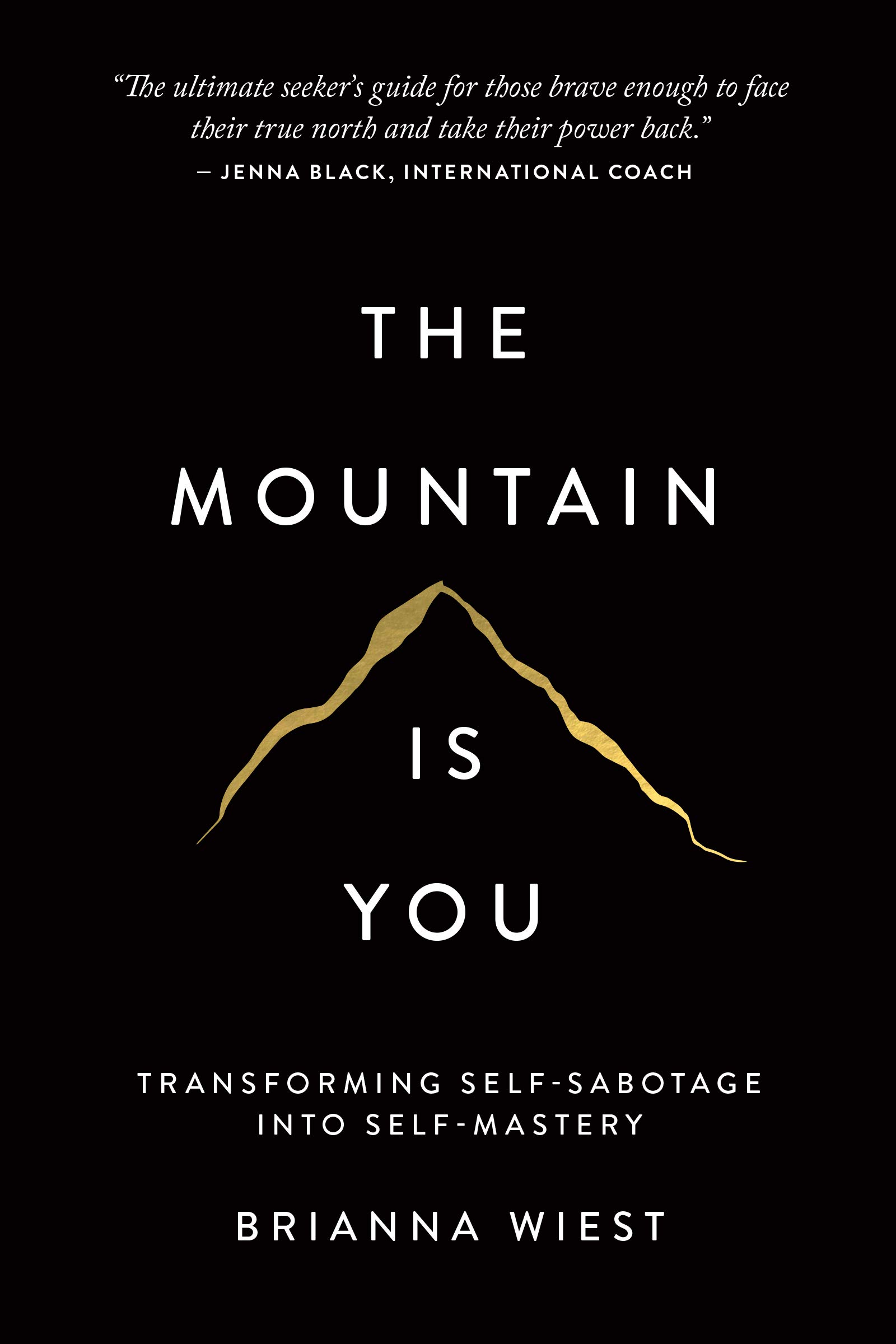
Brianna Wiest
4.03 average rating, · 130.1k ratings
Miguel Ruiz
4.27 average rating, · 61.7k ratings
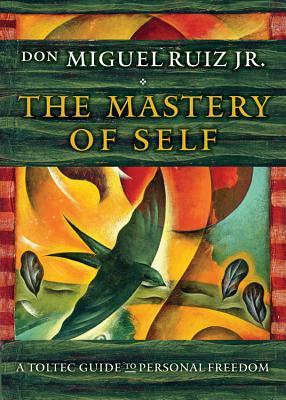
Miguel Ruiz Jr.
4.40 average rating, · 6k ratings
Lisa Genova
4.18 average rating, · 16.6k ratings
George Leonard
4.09 average rating, · 10.1k ratings
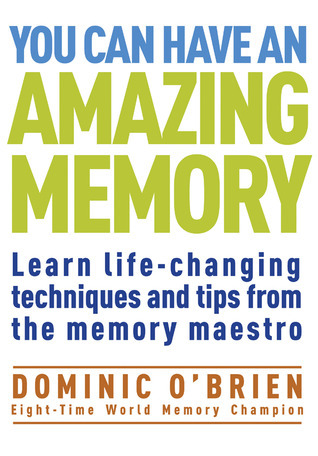
Dominic O'Brien
4.06 average rating, · 988 ratings
Kenny Werner
4.22 average rating, · 2.8k ratings
Joshua Medcalf
4.36 average rating, · 1.4k ratings
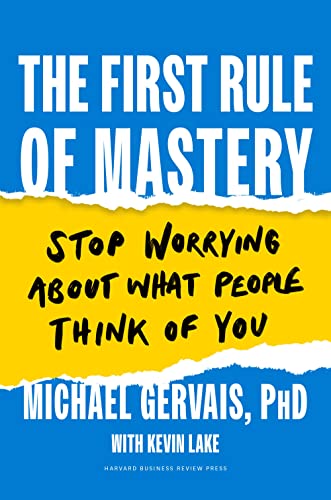
Michael Gervais
4.07 average rating, · 1.8k ratings
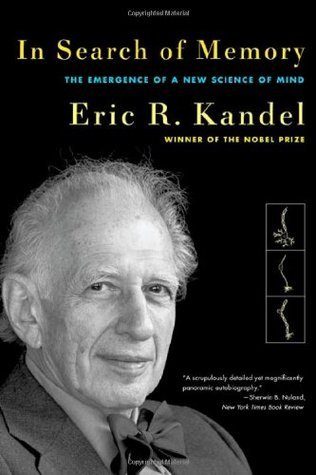
Eric R. Kandel
4.14 average rating, · 5.4k ratings
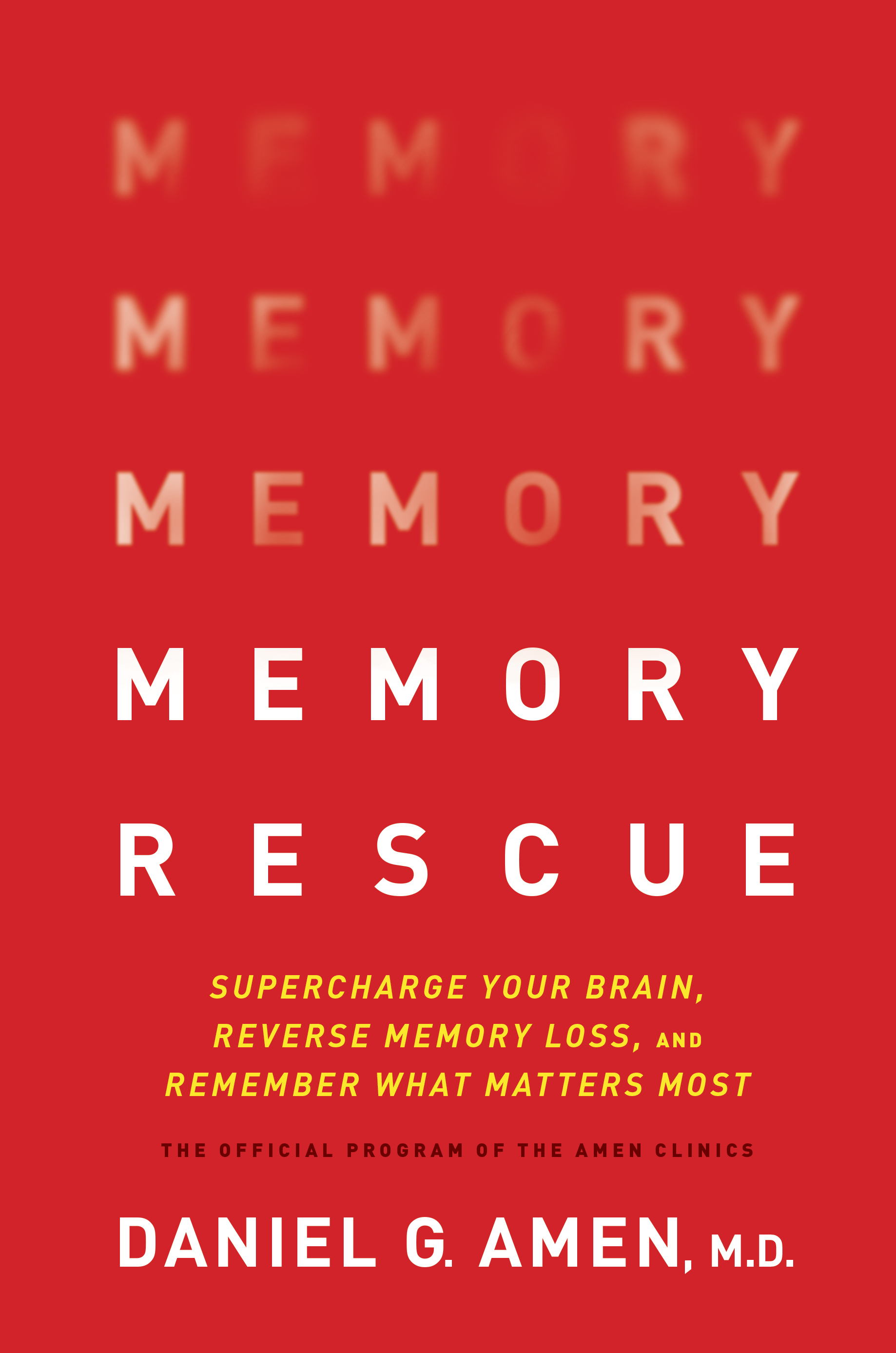
Daniel G. Amen
4.05 average rating, · 688 ratings
Spotted a book that doesn't belong here? Tell us — lists are reviewed and corrected.