Synthetic Biology and Programmable Cells
50 Books on Programmable Biology: When Cells Become the New Software
A foundational reading path through synthetic biology, genetic circuits, biofoundries, biological computing, venture creation, safety, and the shift from reading life to programming it.
The next great computing platform may be alive, self-repairing, and written in DNA. This Topreads collection brings together 50 books for biotech founders, investors, engineers, scientists, policy makers, and technology leaders. Its purpose is to turn a strange, fast-moving subject into a structured reading path rather than another shallow list of fashionable titles.
A foundational reading path through synthetic biology, genetic circuits, biofoundries, biological computing, venture creation, safety, and the shift from reading life to programming it. The list combines foundational explanations, historical parallels, operating knowledge, ethical disagreement, and selected fiction or speculative work where imagination is necessary to see consequences before they become ordinary. Each book is ranked to help readers begin with the strongest combination of relevance, credibility, and usefulness.
This page is designed as a living editorial resource. The current memberships were selected from Topreads’ verified catalogue of 163,349 books using metadata signals and related curated lists, then held as a draft for human review. Before publication, an editor must verify every title, remove weak or accidental matches, defend the top ten, and add book-specific annotations.
The ranked list
Ranked 1–24 of 50 — curated order, not the site-wide popularity formula.
- Rank 1
- Rank 2
The Philadelphia Chromosome: A Mutant Gene and the Quest to Cure Cancer at the Genetic Level
Jessica Wapner
4.28 average rating, · 1.1k ratings
- Rank 3
- Rank 4
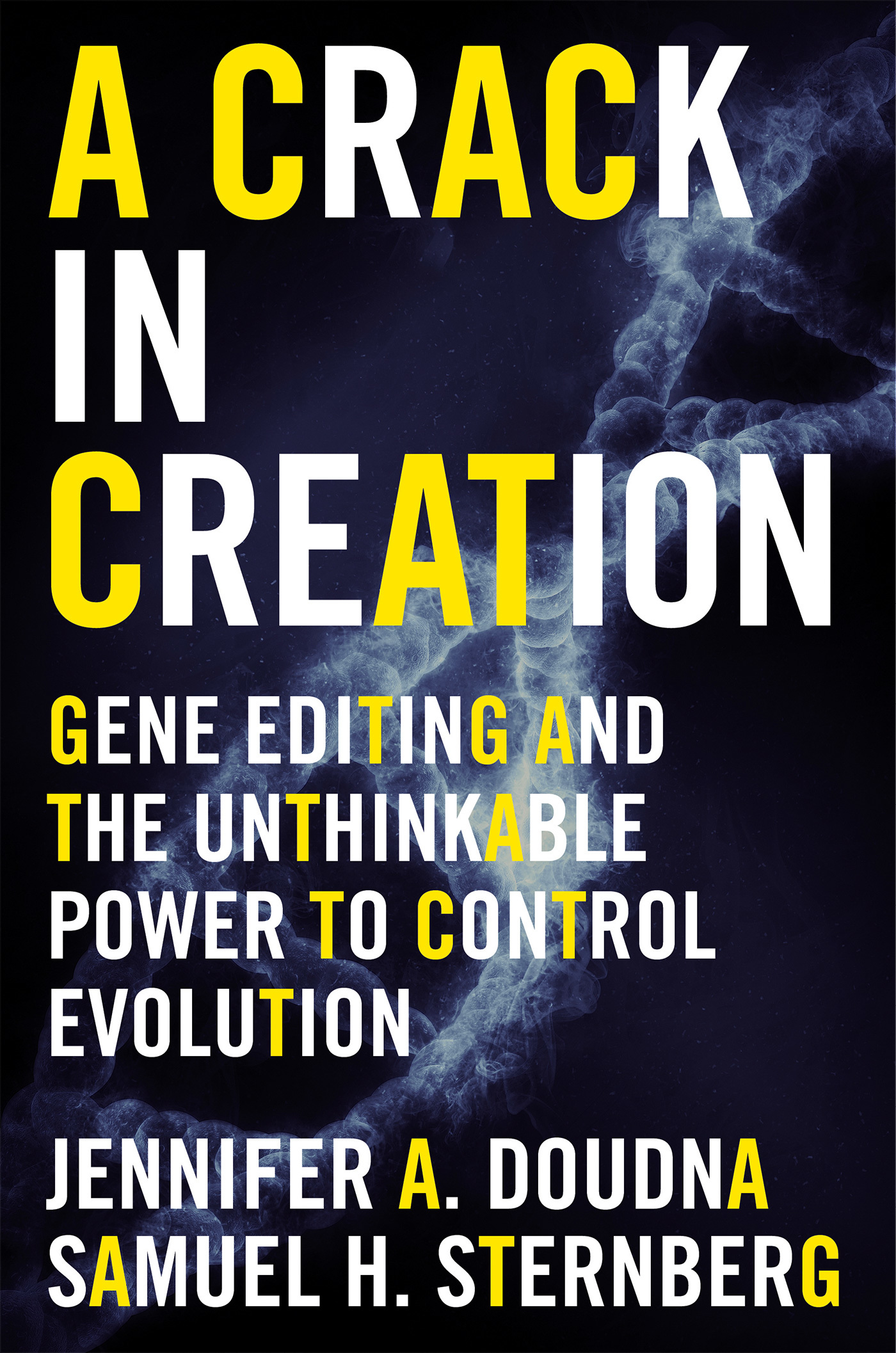
A Crack in Creation: Gene Editing and the Unthinkable Power to Control Evolution
Jennifer A. Doudna
4.13 average rating, · 6.7k ratings
- Rank 5
- Rank 6
- Rank 7
The Violinist's Thumb: And Other Lost Tales of Love, War, and Genius, as Written by Our Genetic Code
Sam Kean
4.01 average rating, · 11.1k ratings
- Rank 8
The Extended Phenotype: The Long Reach of the Gene
Richard Dawkins
4.11 average rating, · 9.7k ratings
- Rank 9
- Rank 10
The Wisdom of Your Cells: How Your Beliefs Control Your Biology
Bruce H. Lipton
4.29 average rating, · 672 ratings
- Rank 11
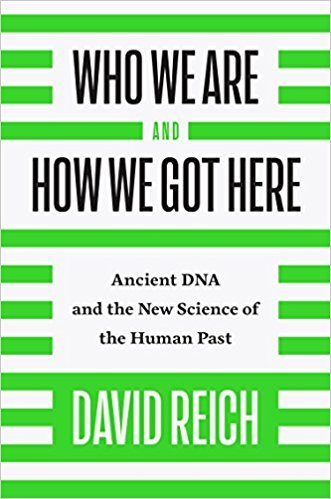
Who We Are and How We Got Here: Ancient DNA and the New Science of the Human Past
David Reich
4.14 average rating, · 6.3k ratings
- Rank 12
Gene Machine: The Race to Decipher the Secrets of the Ribosome
Venki Ramakrishnan
4.01 average rating, · 2.1k ratings
- Rank 13
- Rank 14
The Seven Daughters of Eve: The Science That Reveals Our Genetic Ancestry
Bryan Sykes
4.00 average rating, · 7.7k ratings
- Rank 15
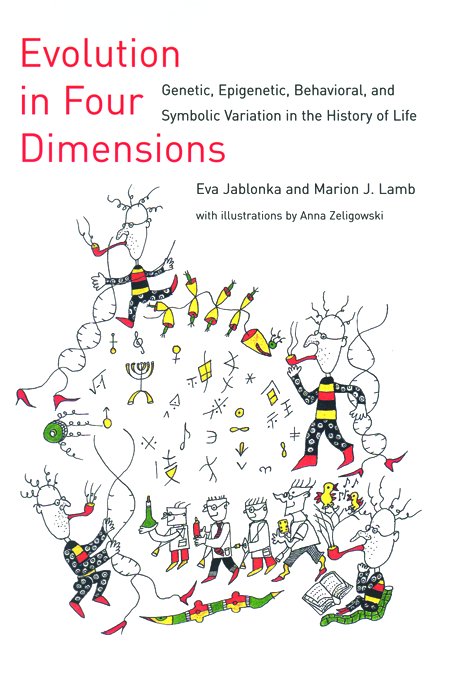
Evolution in Four Dimensions: Genetic, Epigenetic, Behavioral, And Symbolic Variation in the History of Life
Eva Jablonka
4.20 average rating, · 657 ratings
- Rank 16
- Rank 17
Breath from Salt: A Deadly Genetic Disease, a New Era in Science, and the Patients and Families Who Changed Medicine Forever
Bijal P. Trivedi
4.44 average rating, · 1.2k ratings
- Rank 18
The Making of the Fittest: DNA and the Ultimate Forensic Record of Evolution
Sean B. Carroll
4.06 average rating, · 3.2k ratings
- Rank 19
The Code Breaker: Jennifer Doudna, Gene Editing, and the Future of the Human Race
Walter Isaacson
4.28 average rating, · 42.4k ratings
- Rank 20
The Sports Gene: Inside the Science of Extraordinary Athletic Performance
David Epstein
4.20 average rating, · 17.4k ratings
- Rank 21
The Idea Factory: Bell Labs and the Great Age of American Innovation
Jon Gertner
4.21 average rating, · 9.2k ratings
- Rank 22
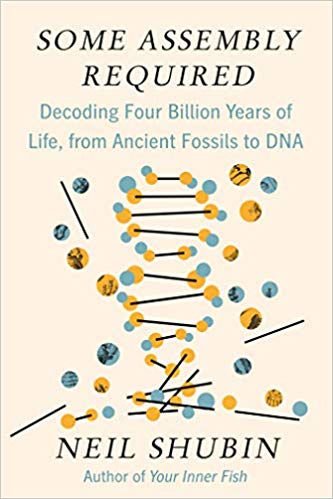
Some Assembly Required: Decoding Four Billion Years of Life, from Ancient Fossils to DNA
Neil Shubin
4.14 average rating, · 2.8k ratings
- Rank 23
- Rank 24










Why this list matters
The commercial, ethical, medical, and political consequences of treating cells, bodies, food, aging, and death as increasingly programmable systems. The subject matters now because developments that appear separate—technology, infrastructure, climate, biology, finance, law, and human behavior—are increasingly interacting as one system. Readers who understand only the headline technology can miss the constraints, institutions, incentives, and second-order effects that determine who benefits and who bears the risk.
This list is therefore not a prediction that every scenario will occur. It is an intellectual preparedness tool. It helps readers identify durable questions, recognize repeated historical patterns, evaluate competing claims, and build a vocabulary for decisions that may arrive sooner than conventional curricula expect.
Who this list is for
- Biotech founders, investors, engineers, scientists, policy makers, and technology leaders.
- Decision-makers who need to understand synthetic biology and programmable cells before it becomes an urgent operational or policy problem.
- Professionals moving into an adjacent field who need a broad map before choosing specialist material.
- Curious readers who prefer serious cross-disciplinary preparation to trend-chasing and prediction theatre.
How to use this list
- Read the first ten books as the core path before sampling specialist branches.
- Keep a decision journal: record which assumptions each book changes, strengthens, or leaves unresolved.
- Pair technical or commercial works with at least one ethical, historical, or human-centered counterweight.
- Follow unfamiliar concepts through the related Topreads lists and individual book pages rather than trying to finish the entire list linearly.
- Revisit the list every six to twelve months; a future-facing curriculum should change when evidence, institutions, and technologies change.
How books were selected
The concept and editorial promise were designed first. Candidate books were then scored from Topreads’ verified 163,349-book catalogue using title and genre relevance, related curated-list membership, rating and readership confidence, exact-title duplicate suppression, controlled fiction representation, and author-diversity limits. Metadata scoring is a discovery aid, not a substitute for reading or expert judgment.
This page begins as a machine-assisted draft. Topreads does not claim that every selected book has been read by the editor or that the initial ranking is definitive. Before the page becomes indexable, a human must verify topical relevance, remove accidental editions or shallow matches, review the top ten, check controversial claims, and replace generic featured-book notes with book-specific editorial reasoning.
Spotted a book that doesn't belong here? Tell us — lists are reviewed and corrected.
Frequently asked questions
- Why should I read about synthetic biology and programmable cells now?
- Because The next great computing platform may be alive, self-repairing, and written in DNA. The goal is not to predict a single future, but to build enough context to recognize important changes, constraints, and decisions early.
- How were these 50 books selected?
- Topreads used its verified 163,349-book catalogue, topic and genre signals, existing curated lists, rating confidence, duplicate suppression, author diversity, and a controlled amount of speculative fiction. The resulting memberships are machine-assisted editorial drafts and must be reviewed by a human before indexing.
- Is this synthetic biology and programmable cells reading list suitable for beginners?
- Yes. The ranking is intended to place broad, accessible, and high-leverage books earlier, followed by more specialized, critical, historical, and speculative works. Readers can begin with the first five to ten books rather than committing to the full list.
- Do I need to read every book in order?
- No. Treat the first ten as a core curriculum, then choose branches that match your role or curiosity. The global rank provides orientation, not a claim that one sequence fits every reader.
- Why does the list include books from different disciplines?
- Because synthetic biology and programmable cells is not a self-contained subject. Its real consequences depend on technology, economics, infrastructure, politics, culture, ethics, and human behavior. Cross-disciplinary reading reduces blind spots.
- How often will this list be updated?
- Topreads should review it at least annually and after major changes in the field. Updates should be substantive: broken or weak matches removed, new books considered, ranking changes explained, and the visible review date changed only when meaningful editorial work occurred.