Unbroken: A World War II Story of Survival, Resilience and Redemption
Laura Hillenbrand
4.39 average rating, · 1M ratings
Post Disaster Recovery and Reconstruction
A serious library on reconstruction, institutions, trauma, housing, infrastructure, public trust, economic recovery, memory, and building back without recreating the conditions of failure.
The first days after catastrophe save lives. The years after determine whether a society recovers, fragments, or repeats the disaster. This Topreads collection brings together 50 books for public leaders, humanitarian professionals, engineers, executives, community organizers, and resilience planners. Its purpose is to turn a strange, fast-moving subject into a structured reading path rather than another shallow list of fashionable titles.
A serious library on reconstruction, institutions, trauma, housing, infrastructure, public trust, economic recovery, memory, and building back without recreating the conditions of failure. The list combines foundational explanations, historical parallels, operating knowledge, ethical disagreement, and selected fiction or speculative work where imagination is necessary to see consequences before they become ordinary. Each book is ranked to help readers begin with the strongest combination of relevance, credibility, and usefulness.
This page is designed as a living editorial resource. The current memberships were selected from Topreads’ verified catalogue of 163,349 books using metadata signals and related curated lists, then held as a draft for human review. Before publication, an editor must verify every title, remove weak or accidental matches, defend the top ten, and add book-specific annotations.
Ranked 1–24 of 50 — curated order, not the site-wide popularity formula.
Laura Hillenbrand
4.39 average rating, · 1M ratings
The cities, settlements, institutions, companies, families, and communities that may have to operate under radically different physical and social conditions. The subject matters now because developments that appear separate—technology, infrastructure, climate, biology, finance, law, and human behavior—are increasingly interacting as one system. Readers who understand only the headline technology can miss the constraints, institutions, incentives, and second-order effects that determine who benefits and who bears the risk.
This list is therefore not a prediction that every scenario will occur. It is an intellectual preparedness tool. It helps readers identify durable questions, recognize repeated historical patterns, evaluate competing claims, and build a vocabulary for decisions that may arrive sooner than conventional curricula expect.
The concept and editorial promise were designed first. Candidate books were then scored from Topreads’ verified 163,349-book catalogue using title and genre relevance, related curated-list membership, rating and readership confidence, exact-title duplicate suppression, controlled fiction representation, and author-diversity limits. Metadata scoring is a discovery aid, not a substitute for reading or expert judgment.
Jason K. Stearns
4.18 average rating, · 5.7k ratings
Bruce D. Perry
4.41 average rating, · 113.7k ratings
Laurie Garrett
4.13 average rating, · 1.4k ratings
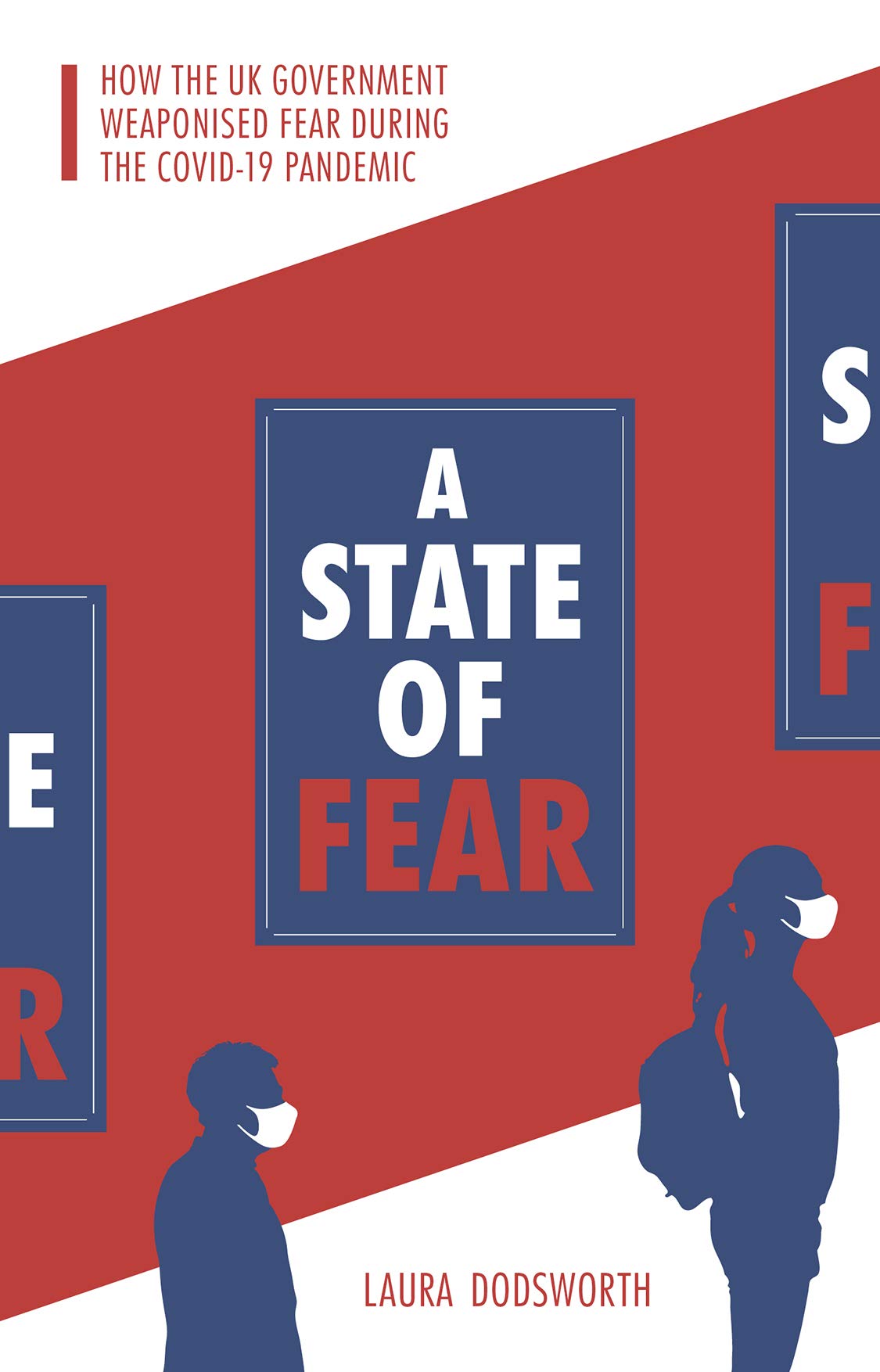
Laura Dodsworth
4.30 average rating, · 802 ratings
Fred Kaplan
4.06 average rating, · 1k ratings
Megan Kimble
4.13 average rating, · 820 ratings
David McCullough
4.26 average rating, · 19.1k ratings
Luke Kemp
4.05 average rating, · 1.1k ratings
Peter Pomerantsev
4.09 average rating, · 1.9k ratings
William L. Shirer
4.26 average rating, · 1.4k ratings
Adam Higginbotham
4.36 average rating, · 69k ratings
Michela Wrong
4.02 average rating, · 3.3k ratings
Neil Swidey
4.05 average rating, · 2.6k ratings
James C. Scott
4.21 average rating, · 7.3k ratings
Mike Davis
4.07 average rating, · 1.5k ratings
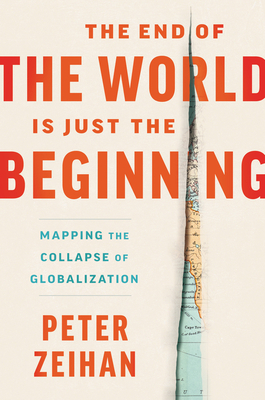
Peter Zeihan
4.15 average rating, · 13.8k ratings
This page begins as a machine-assisted draft. Topreads does not claim that every selected book has been read by the editor or that the initial ranking is definitive. Before the page becomes indexable, a human must verify topical relevance, remove accidental editions or shallow matches, review the top ten, check controversial claims, and replace generic featured-book notes with book-specific editorial reasoning.
Spotted a book that doesn't belong here? Tell us — lists are reviewed and corrected.