Decision Science, Psychology & Research
30 Books on Statistics, Data Literacy, and Avoiding Quantitative Nonsense
An accessible-to-rigorous reading path through statistics, uncertainty, visualization, misleading numbers, and asking better questions of data.
30 Books on Statistics, Data Literacy, and Avoiding Quantitative Nonsense is a deliberately bounded reading path for executives, analysts, researchers, journalists, students, and professionals who interpret numbers. Rather than inventing a futuristic niche and stretching unrelated books to fill it, this collection begins with a field that already has a substantial literature and then selects thirty titles that genuinely belong inside that scope.
The ranking balances direct topical fit, enduring influence, practical usefulness, reader evidence, and variety of perspective. The opening books are intended to establish the field; the middle of the list adds methods, applications, cases, and counterarguments; the final portion expands the reader’s range without abandoning the subject.
Use the list as a map rather than a compulsory syllabus. Start with one broad foundation, one book closest to a live problem, and one critical or historical counterweight. The page should remain a draft until an editor has inspected every membership, defended the top-ten order, and replaced any title whose relationship to statistics and data literacy is merely incidental.
The ranked list
Ranked 1–24 of 30 — curated order, not the site-wide popularity formula.
- Rank 1
- Rank 2
- Rank 3
- Rank 4
Statistics Without Tears: An Introduction for Non-Mathematicians
Derek Rowntree
4.00 average rating, · 754 ratings
- Rank 5
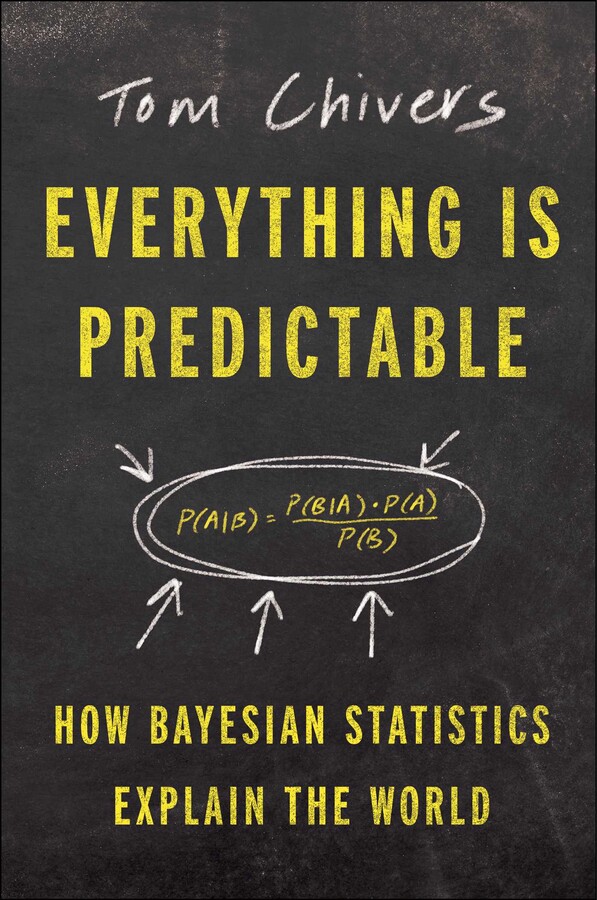
Everything Is Predictable: How Bayesian Statistics Explain Our World
Tom Chivers
4.02 average rating, · 1.4k ratings
- Rank 6
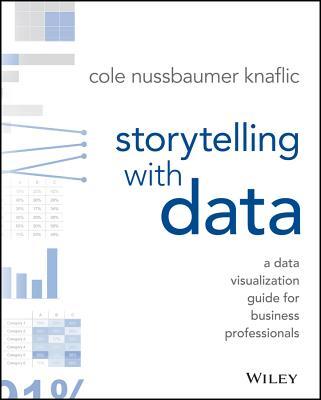
Storytelling with Data: A Data Visualization Guide for Business Professionals
Cole Nussbaumer Knaflic
4.38 average rating, · 8.5k ratings
- Rank 7
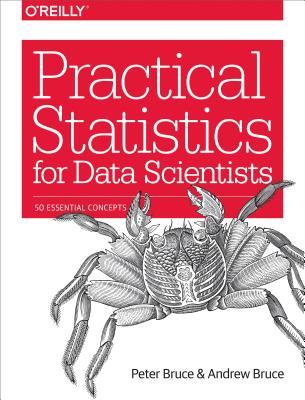
Practical Statistics for Data Scientists: 50 Essential Concepts
Peter Bruce
4.01 average rating, · 548 ratings
- Rank 8
- Rank 9
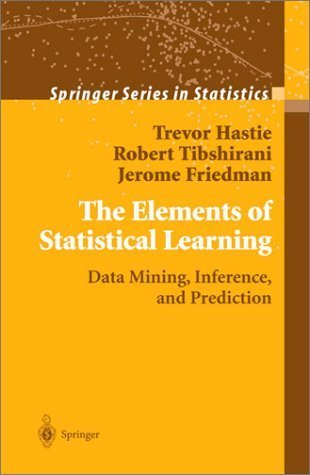
The Elements of Statistical Learning: Data Mining, Inference, and Prediction
Trevor Hastie
4.43 average rating, · 1.9k ratings
- Rank 10
- Rank 11
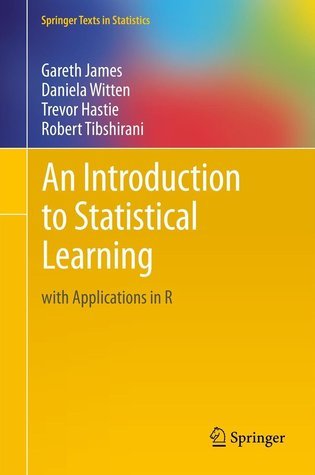
An Introduction to Statistical Learning: with Applications in R
Gareth James
4.59 average rating, · 2.4k ratings
- Rank 12
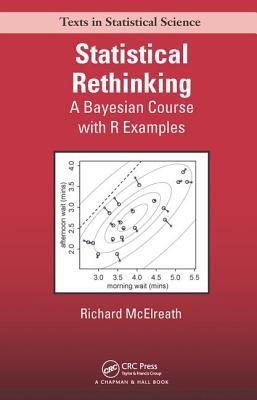
Statistical Rethinking: A Bayesian Course with Examples in R and Stan
Richard McElreath
4.71 average rating, · 536 ratings
- Rank 13
Good Charts: The HBR Guide to Making Smarter, More Persuasive Data Visualizations
Scott Berinato
4.21 average rating, · 690 ratings
- Rank 14
- Rank 15
- Rank 16
Bernoulli's Fallacy: Statistical Illogic and the Crisis of Modern Science
Aubrey Clayton
4.25 average rating, · 594 ratings
- Rank 17
Visual Explanations: Images and Quantities, Evidence and Narrative
Edward R. Tufte
4.29 average rating, · 3.1k ratings
- Rank 18
- Rank 19
Data Smart: Using Data Science to Transform Information into Insight
John W. Foreman
4.12 average rating, · 1k ratings
- Rank 20
R for Data Science: Import, Tidy, Transform, Visualize, and Model Data
Hadley Wickham
4.53 average rating, · 1.2k ratings
- Rank 21
- Rank 22
Calling Bullshit: The Art of Skepticism in a Data-Driven World
Carl T. Bergstrom
4.10 average rating, · 5.5k ratings
- Rank 23
How to Make the World Add Up: Ten Rules for Thinking Differently About Numbers
Tim Harford
4.11 average rating, · 8.5k ratings
- Rank 24







Why this list matters
This page complements the data-executive list but is more focused on statistical literacy itself. Books should directly address statistics, data interpretation, or quantitative deception. The value of this page is not the number thirty by itself. Its value comes from keeping the promise narrow enough that a reader can trust the relationship between the headline and the books underneath it. For LinkedIn readers, that makes the collection useful as a professional curriculum, a team discussion resource, and a credible starting point for deeper study.
Who this list is for
- This list is for executives, analysts, researchers, journalists, students, and professionals who interpret numbers. It is especially useful when someone needs a deliberate curriculum rather than an endless recommendation feed.
How to use this list
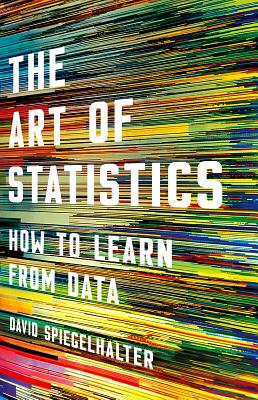
- Begin with The Art of Statistics: How to Learn from Data or the highest-ranked book that matches your current level.
- Choose one foundational book, one applied book, and one dissenting or historical perspective before adding more.
- Read around a real decision, project, client, course, or professional weakness rather than reading only for completion.
- Use the Topreads shelf and notes features to record decisions, questions, and ideas worth testing—not just summaries.
- Return after three books and revise your path; the ranking is a guide, not a universal sequence.
How books were selected
The list was constrained to an established literature on statistics and data literacy. Candidates were resolved against the verified Topreads dataset, then reviewed for direct title and domain fit, author and genre signals, readership evidence, breadth, and duplicate suppression. Thirty was chosen as a quality ceiling for this release: large enough to offer paths, small enough to inspect. Final publication requires a human editor to verify every membership and the top-ten order.
Topreads must identify the actual curator or reviewer, display a genuine review date, explain the catalogue basis, and provide a way to report weak or mismatched selections. Do not claim expert review, personal reading, or field consensus unless those statements are literally true.
Spotted a book that doesn't belong here? Tell us — lists are reviewed and corrected.
Frequently asked questions
- Which statistics and data literacy book should I read first?
- Start with the highest-ranked title that matches your experience and immediate objective. The current opening choices include The Art of Statistics: How to Learn from Data, Statistics Done Wrong: The Woefully Complete Guide, and Becoming a Data Head: How to Think, Speak, and Understand Data Science, Statistics, and Machine Learning. A newcomer should normally choose the broadest introduction; an experienced practitioner should choose the book closest to a live problem.
- Who is this statistics and data literacy reading list for?
- It is designed for executives, analysts, researchers, journalists, students, and professionals who interpret numbers. It can also help adjacent professionals who need enough domain knowledge to collaborate, evaluate work, teach, invest, regulate, or make better strategic decisions.
- How were the 30 books selected and ranked?
- Topreads began with its verified 163,349-book catalogue and selected titles whose names, authorship, genres, readership evidence, and subject matter fit statistics and data literacy. Obvious false positives and title-only coincidences were removed. Ranking also considers foundations, practical usefulness, historical importance, breadth, and duplicate suppression. This metadata review is not a claim that every title was personally read.
- Do I need to read all 30 books?
- No. Thirty books provide enough breadth for readers at different levels without pretending that everyone needs the same syllabus. Most people should select three to twelve titles for a specific goal and treat the remainder as a reference map.
- How often should this list be updated?
- Update it when the catalogue changes materially, a clearly stronger book appears, a membership proves weak, or editorial judgment improves. Display a real last-reviewed date. Do not change dates, titles, or descriptions merely to manufacture freshness.
- How can I use this list to learn statistics and data literacy efficiently?
- Read one overview first, then alternate between principles and application. Keep a decision journal, compare competing frameworks, and turn each book into one experiment, checklist, design review, or conversation. Stop collecting titles once the reading no longer changes what you do.