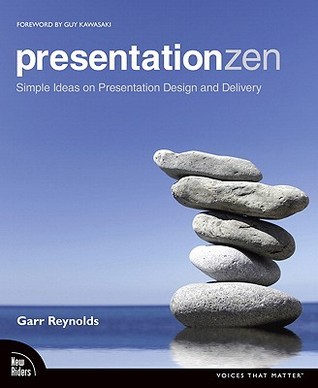
Presentation Zen: Simple Ideas on Presentation Design and Delivery
Garr Reynolds
4.05 average rating, · 14.7k ratings
Public Speaking and Storytelling Books
Books on speeches, presentations, story structure, rhetoric, confidence, performance, persuasion, and turning complex ideas into memorable narratives.
A valuable idea that cannot survive a presentation often loses to a weaker idea told well. This Topreads collection brings together 50 books on public speaking, storytelling, and presence for leaders, presenters, founders, educators, salespeople, and communicators. Its purpose is not to produce another generic popularity chart, but to help readers structure memorable ideas and deliver them with clarity, confidence, and authority.
Professional influence often depends on what happens in a room: a pitch, board update, keynote, briefing, interview, or difficult announcement. This list develops message design, narrative, delivery, presence, visual communication, and audience understanding. As tools become more capable, the scarce advantages shift toward judgment, attention, learning speed, communication, creativity, trust, and self-command. These capabilities are deeply trainable, but only through practice informed by strong mental models.
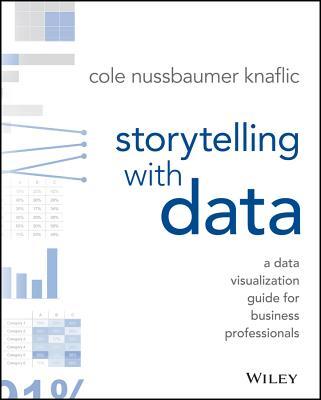
The reading path is deliberately broad: it combines foundations, practical applications, history, evidence, critical perspectives, and books that expose the trade-offs practitioners often miss. The current ranked selection begins with Presentation Zen: Simple Ideas on Presentation Design and Delivery, Presentation Zen Design, and Storytelling with Data: A Data Visualization Guide for Business Professionals. Rankings should be treated as a guided starting point rather than a claim that one book can be objectively best for every reader. Use the filters, book detail pages, and related Topreads lists to build a sequence that matches your current experience and goals.
Ranked 1–24 of 50 — curated order, not the site-wide popularity formula.
Garr Reynolds
4.05 average rating, · 14.7k ratings
As tools become more capable, the scarce advantages shift toward judgment, attention, learning speed, communication, creativity, trust, and self-command. These capabilities are deeply trainable, but only through practice informed by strong mental models. For this particular subject, the central promise is to help readers structure memorable ideas and deliver them with clarity, confidence, and authority. The page should therefore explain the problem the list solves, not merely present a wall of book cards.
This list was assembled from the Topreads catalogue using topical relevance, rating quality, rating volume, title and author deduplication, genre evidence, author diversity, and editorial usefulness. The ranking combines practical manuals, psychology, cognitive science, biographies, philosophical works, and workplace applications. It favors books that produce repeatable practices instead of short-lived inspiration. Before publication, an editor must review every membership for topical fit, remove misleading editions or bundles, verify the ordering, and record a real review date. Rankings may change when the catalogue, evidence, or editorial judgment improves.
Topreads should show who curated or reviewed the list, the real last-reviewed date, the catalogue/data basis, and a link to the full ranking methodology. Do not claim subject-matter expert review unless a qualified named reviewer actually completed it.
Cole Nussbaumer Knaflic
4.38 average rating, · 8.5k ratings
Nancy Duarte
4.11 average rating, · 5.6k ratings
Chris J. Anderson
4.04 average rating, · 15.3k ratings
Dale Carnegie
4.11 average rating, · 8.3k ratings
Mehdi Hasan
4.06 average rating, · 4.5k ratings
Brant Pinvidic
4.17 average rating, · 616 ratings
Marcus Alexander
4.39 average rating, · 877 ratings
Brian McDonald
4.38 average rating, · 1.5k ratings
Francis Glebas
4.27 average rating, · 623 ratings
Ernest Kurtz
4.12 average rating, · 3.1k ratings
Spotted a book that doesn't belong here? Tell us — lists are reviewed and corrected.