On Writing Well: The Classic Guide to Writing Nonfiction
William Zinsser
4.24 average rating, · 31.5k ratings
Business Writing Books
A professional writing shelf for clear emails, proposals, reports, explanations, arguments, documentation, and prose people can act on.
The people who write clearly are trusted with more consequential work. This Topreads collection brings together 50 books on clear and persuasive workplace writing for professionals, managers, consultants, analysts, founders, and editors. Its purpose is not to produce another generic popularity chart, but to help readers write emails, reports, proposals, and arguments that busy people can understand.
Clear writing exposes clear thinking. This list combines style, structure, editing, rhetoric, business writing, technical communication, explanation, and storytelling, with an emphasis on writing that helps colleagues decide and act. As tools become more capable, the scarce advantages shift toward judgment, attention, learning speed, communication, creativity, trust, and self-command. These capabilities are deeply trainable, but only through practice informed by strong mental models.
The reading path is deliberately broad: it combines foundations, practical applications, history, evidence, critical perspectives, and books that expose the trade-offs practitioners often miss. The current ranked selection begins with On Writing Well: The Classic Guide to Writing Nonfiction, The Elements of Style, and The Sense of Style: The Thinking Person's Guide to Writing in the 21st Century. Rankings should be treated as a guided starting point rather than a claim that one book can be objectively best for every reader. Use the filters, book detail pages, and related Topreads lists to build a sequence that matches your current experience and goals.
Ranked 1–24 of 50 — curated order, not the site-wide popularity formula.
William Zinsser
4.24 average rating, · 31.5k ratings
As tools become more capable, the scarce advantages shift toward judgment, attention, learning speed, communication, creativity, trust, and self-command. These capabilities are deeply trainable, but only through practice informed by strong mental models. For this particular subject, the central promise is to help readers write emails, reports, proposals, and arguments that busy people can understand. The page should therefore explain the problem the list solves, not merely present a wall of book cards.
This list was assembled from the Topreads catalogue using topical relevance, rating quality, rating volume, title and author deduplication, genre evidence, author diversity, and editorial usefulness. The ranking combines practical manuals, psychology, cognitive science, biographies, philosophical works, and workplace applications. It favors books that produce repeatable practices instead of short-lived inspiration. Before publication, an editor must review every membership for topical fit, remove misleading editions or bundles, verify the ordering, and record a real review date. Rankings may change when the catalogue, evidence, or editorial judgment improves.
Topreads should show who curated or reviewed the list, the real last-reviewed date, the catalogue/data basis, and a link to the full ranking methodology. Do not claim subject-matter expert review unless a qualified named reviewer actually completed it.
Steven Pinker
4.04 average rating, · 9.3k ratings
Ursula K. Le Guin
4.24 average rating, · 6.3k ratings
Howard S. Becker
4.06 average rating, · 1.5k ratings
Torrey Podmajersky
4.23 average rating, · 580 ratings
Nicole Fenton
4.10 average rating, · 553 ratings
Nicolas Cole
4.38 average rating, · 1.6k ratings
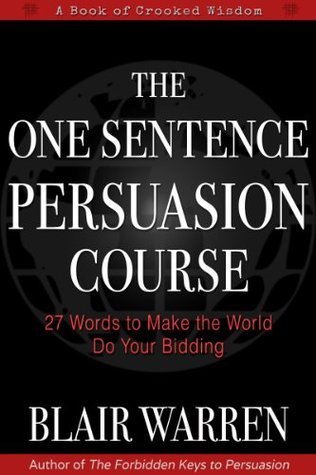
Blair Warren
4.40 average rating, · 1.4k ratings
Robert Lee Brewer
4.20 average rating, · 1.4k ratings
Matthew Salesses
4.41 average rating, · 2.5k ratings
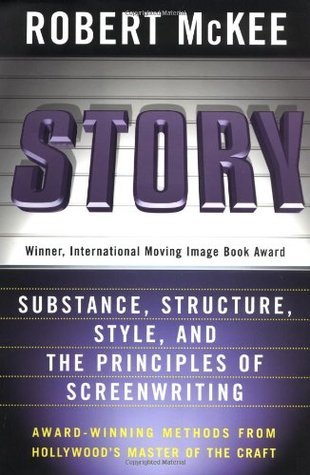
Robert McKee
4.27 average rating, · 17.9k ratings
Judith C. Hochman
4.37 average rating, · 2.1k ratings
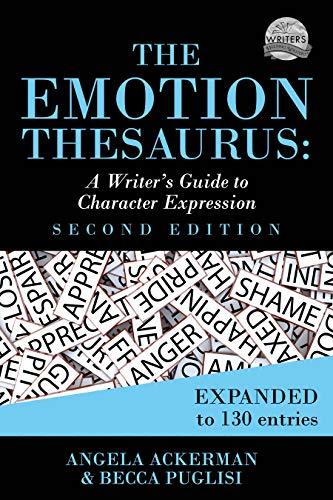
Angela Ackerman
4.53 average rating, · 6.4k ratings
Spotted a book that doesn't belong here? Tell us — lists are reviewed and corrected.